Market Trends For Multivitamins In The United States

Halal Multivitamin Gummies For Everyday Wellness

Halal multivitamin gummies provide an enjoyable, simple method for adults in the United States to cover their everyday nutritional requirements. Such vitamin halal combine crucial vitamins & minerals in a easy-to-chew format. They do not contain animal-based gelatin and other non-halal ingredients. This makes them ideal for Muslim adults and those who value open ingredient sourcing.

Interest in halal-certified daily multivitamins continues to grow on store shelves across the U.S.. Shoppers now look for halal multivitamin gummies that have earned certification from respected organizations. They also want clear label information and formulations aimed at adults. Nahraan Health brand and other reputable brands meet these needs with their multivitamin gummies for adults.

With this overview, time-pressed adults will discover the world of well-made halal multivitamin gummies. It will assist in evaluating brands and picking the most suitable everyday supplement. Key highlights include actionable guidance, certification details, and criteria to help you decide.

multivitamins & gummies in USA

Key Takeaways

  • Halal multivitamin gummies offer a easy-to-chew non-gelatin alternative for everyday nutrient support.
  • Interest in halal-certified multivitamins across the U.S. is growing among many types of shoppers.
  • Nahraan Health is one company that provides adult multivitamin gummies formulated for halal guidelines.
  • Seek out transparent labels, recognized certification, and nutrient blends for adults when buying.
  • This guide compares brands and shows how to choose and use halal multivitamin gummies with confidence.

Benefits Of Halal Multivitamin Gummies For On-The-Go Adults

On-the-go adults often need simple, practical methods to support their diet. Halal vitamin gummies are convenient, gummy-based, and made for active adults. They offer essential nutrition without adding steps to your routine.

Convenience And Stronger Adherence For Busy Routines

Gummy vitamins are ideal for consumption anytime, anywhere. You can take them during the commute, on the job, or while out and about. This convenience encourages consistent use, especially for those who find swallowing pills a hassle.

Companies like Novomins Nutrition and Zaytun deliver tasty chewable options for health-minded adults. These gummies promote a regular vitamin routine for adults managing busy households and careers.

Nutritional coverage tailored for adults

Most formulas include B-complex vitamins, folate, vitamins A, C, D, E, along with zinc and iodine. These nutrients assist key physiological functions including daily energy, immune support, and eye health.

Selecting adult-targeted halal multivitamins ensures these advantages meet dietary, religious, and ethical needs. Brands clearly indicate their formula details, aiding consumers in finding the best fit for their daily needs.

Digestibility and pleasant taste improve consistency

The gummy format is more stomach-friendly, suitable for those with stomach sensitivities or an avoidance of tablets. Thanks to natural fruit flavours makes daily use enjoyable.

These gummies are offered in sugar-free and common-allergen-free options. Many are also plant-based, gluten-free, and non-genetically modified, encouraging adherence and ensuring a steadier routine.

Advantage What To Check Why It Matters
Daily Convenience Chewable format, portable packs Supports regular use for active lifestyles
Adult-focused nutrients B12, B6, folate, D, zinc, iodine Helps energy, immune health, bone strength, eye health
Stomach comfort Gelatin-free, stomach-friendly bases Improves comfort for sensitive users
Taste and texture Natural fruit flavours, low-sugar options Encourages long-term consistency
Certifications and preferences Halal certification plus vegan and gluten-free options Supports religious, dietary, and lifestyle needs

Multivitamin Gummies Halal: Meaning Of Certification And Its Importance

Halal verification verifies that a multivitamin adheres to halal dietary guidelines. It validates the exclusion of prohibited items like pork-derived and alcohol-based ingredients in the formula and the process. In the U.S., many brands list certifier information on their packaging. This allows consumers to validate the halal status for themselves.

Halal certification standards and trusted certifiers

Certifying bodies such as Islamic Services of America (ISA) assess facilities, ingredients, and production methods. They frequently align with Good Manufacturing Practices (GMP) and third-party testers such as NSF. This ensures halal multivitamins in the USA meet both religious requirements and product quality expectations.

Ingredients to look for in halal-certified gummies

When selecting gummies, look for those using plant-based pectin rather than animal gelatin. Make sure they are clearly labelled to leave out alcohol-based flavours and pork-derived ingredients. Essential nutrients in adult-focused formulas often include vitamins B6 and B12 plus folate, and vitamins D, C, A, and E, alongside trace minerals such as zinc and iodine.

Confidence For Muslim Shoppers And Everyone Else

Halal-certified vitamin gummies offer reassurance to Muslims about their daily vitamins. They also attract a wider range of shoppers interested in clean-label, vegan-friendly, and non-GMO products. This shared confidence simplifies the selection process for diverse shoppers and families.

Key Consideration What To Look For Why it matters
Certification body ISA or other reputable halal bodies, contact details shown Verifies compliance with halal rules and allows consumer confirmation
Gelling agent Pectin-based or plant-derived gelling agents Avoids animal-derived gelatin concerns
Manufacturing standards GMP and independent testing evidence Lowers contamination risk and validates label claims
Ingredients panel Transparent list without prohibited additives Enables informed purchasing
Nutrient profile B vitamins, vitamin D, C, A, E, zinc, iodine, biotin, pantothenic acid Targets typical adult nutrient needs

How Halal Multivitamin Gummies Support Specific Health Needs

Well-designed multivitamin gummies target energy, immunity, and structural health, using a combination of vital nutrients. A daily multivitamin routine can bridge dietary gaps. It’s especially beneficial for busy adults who might skip nutrient-rich meals in their everyday eating.

Energy and metabolism support

Gummy vitamins for adults often contain B-complex vitamins like vitamin B12, B6, folate, and pantothenic acid. These nutrients are important for energy metabolism and keeping metabolic rates healthy. They can also help alleviate tiredness, contributing to general wellness when paired with a healthy diet.

Some consumers report increased stamina within weeks of following the recommended daily intake. Most often, this involves taking a two-gummy daily serving, which often appears to be the sweet spot for visible results.

Immune and antioxidant support

Halal gummy blends commonly include vitamins C and E plus zinc to strengthen immune functions and provide antioxidant protection. These elements are important for supporting immune cell activity and supporting resilience against everyday stressors.

Antioxidants play a major role in preventing cellular damage. Helping long-term vitality and faster recovery from small illnesses or heavy activity, these gummies are most effective with proper recovery and a healthy diet.

Bone, skin, hair and vision benefits

Vitamin D content present in gummies is important for calcium absorption, which is critical for strong bones and teeth. Vitamin A helps with healthy eyesight and cell health. Biotin and E promote the health of skin, hair, and nails in many adult formulas.

Certain adult blends also contain iodine and folate, broadening their support scope. Selecting well-reviewed halal multivitamin gummy options ensures these nutrients are from acceptable sources. This offers targeted benefits without conflicting with dietary beliefs.

When shopping for adult halal multivitamins, choosing products with clear labels showing each nutrient’s amount per serving is crucial. Daily use, alongside a balanced diet, leads to the best-supported daily benefits.

Top Features To Check When Buying Halal Multivitamin Gummies In The USA

Choosing multivitamins in the USA is not just about brand recognition. Prioritize safety indicators, look for transparent labelling, and prefer adult-targeted blends for optimal daily support. For those looking for halal multivitamin gummies, it’s important to check certifications and the ingredient list prior to purchase.

Independent Testing And Manufacturing Standards

Minimizing concerns starts with reliable certification. Aim for products backed by NSF, GMP, or independent testing, as listed on their websites or packaging. Such evaluations help protect against impurities and ensure multivitamins meet their vitamin and mineral claims.

Ingredient Transparency And Clear Labels

Label awareness means knowing the nutrient dosages, serving size, and any added sugars. Prioritize halal certification seals and the certifier details. Verify these certifiers against trusted directories to ensure the multivitamin’s halal status is legitimate.

Formulation considerations for adults

Pick adult-targeted blends that support typical adult shortfalls. Look for key nutrients like B vitamins, vitamin D, vitamin C, zinc, biotin, and iodine, in amounts designed to support, not replace, a well-rounded diet.

Feature What To Check Why It Matters
Independent testing Visible NSF/USP marks or lab reports Confirms potency, purity, and safety
Halal verification Clear halal logo with certifier listed Ensures compliance with halal standards
Transparent labels Easy-to-read amounts and warnings Helps avoid unwanted ingredients
Formulation Balanced adult doses of key nutrients Supports everyday adult wellness
Clean-label profile No artificial preservatives, lower added sugar More suitable for consistent use
Dietary preferences Non-GMO, vegan, gluten-free options Meets dietary needs and lifestyle choices

When choosing top-notch halal multivitamin gummies, review labels carefully and verify testing claims meticulously. A transparent, thoroughly tested option offers reassurance. It enables you to select multivitamins that match adult requirements and fit easily into daily life.

Halal Gummy Brand Comparison And The Role Of Nahraan Health

The United States halal gummy space is expanding fast. Consumers now have the choice between specialized providers and mainstream brands with halal certifications. This overview spotlights key brands, including where Nahraan Health sits.

Examples Of Halal Gummy Brands And Their Positioning

Novomins centres on science and doctor-supported formulations, boasting NSF and GMP-compliant manufacturing. They cater to those who prioritize independent testing and multiple formula choices.

Zaytun offers vegan-friendly, non-GMO adult multivitamin gummies in multiple flavours. Their products carry ISA halal certification, attracting buyers who prioritize clear halal proof.

Many brands are adopting clean-label and allergen-conscious formulas. Such trends broaden the options for Muslim families and health-conscious individuals looking for trusted halal multivitamin gummy brands.

Overview Of Nahraan Health Adult Gummies

Nahraan Health’s adult gummies is designed for everyday wellness support. It positions itself as a halal vitamin option for U.S. adults, free from animal-based gelatin.

Details on ingredients, nutrient content, and serving suggestions can be found on their website. Interested shoppers are advised to verify the nutrient details and halal certification details to ensure fit with their personal needs.

Cost, Availability, And Where To Buy In The United States

Halal vitamin gummies are available through manufacturer websites, specialist retailers, and some mainstream wellness stores. Brands like Novomins and Zaytun brand also offer their products through e-commerce, shipping to a wide range of North American addresses.

Nahraan Health items are sold directly online. Buyers may want to explore promotions and multi-pack offers to find better value. When purchasing, factors like verified compliance, external lab checks, and the ingredient quality should be considered.

Cost comparisons often reveal differences based on the products’ formula depth and verification. When budget matters, opt for well-priced choices that do not compromise on halal compliance or label clarity. For finding options, reviewing well-reviewed halal gummy multivitamins and online listings might help find the right fit for your needs.

How to Choose and Use Halal Multivitamin Gummies Effectively

Commence by examining your dietary habits, your age, sex, and existing health conditions. Reviewing lab results and consulting a dietitian or doctor helps spot nutrient deficiencies. This assists in deciding whether adult multivitamins are useful.

Review Your Needs

Confirm your chosen gummy fills your nutritional voids. For instance, choose a version with a meaningful amount of vitamin D if deficient. It’s important to look for highly bioavailable forms like B12 as methylcobalamin or cholecalciferol for vitamin D.

Build Gummies Into Your Routine

Consume them at the same daily time, for example, during a regular meal, to build consistency. Using them with a meal may improve fat-soluble vitamins A, D, and E absorption. Storing them in familiar places can also aid in maintaining consistency.

Storage, Dosing, And Safety

Follow closely the recommended dosage listed on the package – typically two gummies daily. Avoid doubling up after a missed dose. Gummies should be stored in cool and dry storage to avoid loss of potency.

Be mindful of your overall nutrient intake, especially when taking multiple products or consuming foods with added vitamins. Overconsumption of certain nutrients can be detrimental. Ensure there are no interactions with medications, and always consult a healthcare professional if you’re expecting, nursing, or under medical care.

Review added sugar and potential allergens prior to purchasing. Choose low-sugar gummies if you’re managing sugar consumption. Check the halal seal on either the label to ensure halal compliance when selecting halal multivitamins.

Decision Step What To Check Why It Matters
Assess needs Diet check, lab review, clinician consult Helps ensure adult multivitamins address real gaps
Compare labels Dosages and nutrient forms like D3 and methylfolate Helps match formula to adult requirements
Routine setup Build a repeatable daily habit Supports consistency over time
Check safety Drug interactions, pregnancy status, total intake Prevents adverse effects from excess vitamins or interactions
Product fit Confirm compliance and practical fit Helps avoid unwanted ingredients and mismatch

Final Thoughts

Halal multivitamin chewables offer adults a flavourful, convenient way to supplement daily eating while following Islamic dietary standards. It’s important to choose gummies with visible halal certification, trustworthy third-party testing, and adult-appropriate formulas that avoid hidden gelatin or frequent allergens.

When buying top-quality halal gummy multivitamins, look for certifications from Islamic Services of America (ISA) or similarly reputable organizations. Ensure they have GMP/NSF certification or independent lab testing. Also, be careful in reviewing the full ingredients. Well-known options include Novomins and Zaytun, known for their vegan, halal-certified gummies, and Nahraan Health that offers a specialized option for adults via their online U.S. channel.

Choosing the right halal multivitamin gummy product involves considering verification, formula integrity, taste, and value. This ensures your everyday supplement complements your lifestyle. For personalized recommendations, a qualified clinician can advise you, ensuring the vitamins match your wellness goals and medical situation. By focusing on both verified halal status and quality, you’ll find the ideal supplement to support your daily well-being.


SEO On Page Fundamentals For Complete Beginners

The Complete Guide to Perfect On-Page SEO Strategies

Are you aware that Google still considers matching words in titles and on-page content one of the most basic relevance signals in 2025? This simple fact should reshape how every website owner plans both content and site structure.

This on page SEO resource walks you step by step through a practical, user-friendly checklist for optimizing titles, meta descriptions, headings, URLs, internal links, images, and content so your pages match search intent more effectively and help users find value quickly.

Expect clear steps for writing stronger title tags and meta text, improving page speed and mobile experience, and using tools like Google Search Console and PageSpeed Insights to spot gaps fast.

We’ll focus on helpful signals, not tricks. Small wins like concise URL slugs, descriptive alt text, and structured data accumulate across many pages and improve results for the entire website.

on page SEO

What On-Page SEO Means in the present and Why It Still Drives Results

Optimizing what actually lives on a page gives you direct control over how search engines read and rank your material.

On-page seo refers to everything you can change on your pages: title tags, headers, core content, URLs, images, internal links, schema, and structure that supports large language models. These tweaks help search engines and human visitors understand the value quickly.

On-page vs. off-page: what’s in your control

On-page work is everything you edit inside a page. Off-page, by contrast, includes backlinks, PR, and brand mentions that you can’t fully control.

Getting the on-page basics right makes a page easier for engines to interpret and increases the odds of sustainable results.

Ranking factors that correlate with better visibility

  • Well-optimized metadata and title tags that match intent and entice users to click.
  • Quick load times, secure HTTPS, and mobile-optimized design.
  • Readable page structure, strong internal linking, and high-quality content that serves users.
  • Core Web Vitals (LCP, INP/FID, CLS) and optimized images.

Even if Google sometimes adjusts meta descriptions, unique, concise snippets still boost CTR. Use on-page work as the base layer that makes your website and every marketing channel work harder.

Understanding Search Intent to Rank and Keep Ranking

Begin by decoding what the top-ranking results are doing before you write a single paragraph. A quick SERP review reveals whether the dominant format is a guide, comparison, product list, or interactive tool. That pattern signals which format and offer you should match.

Search intent falls into four buckets: navigational, informational, commercial, and transactional. As an example, “best climbing shoes” usually returns comparison and review pages, indicating commercial intent. Build the type of content users expect if you want to compete.

How to Analyze SERPs and Select the Right Content Format

  • Look over the top 10 search results to identify common formats and features (list posts, how-tos, product pages).
  • Map each intent to a format: how-to for informational, category pages for navigational, comparison lists for commercial, checkout flows for transactional.
  • Include FAQ sections that mirror user questions so you fully satisfy informational intent.

When older pages start to slip, go back and realign their format with what’s currently ranking. If the perfect on page SEO SERP is rewarding tools while you only publish a blog post, your rankings will lag regardless of how good the writing is. Match the pattern and add genuine information gain to earn a spot on page one.

Modern Keyword Research: Primary, Long-Tail, and Semantic Terms

Start keyword research by pairing a clear seed topic with competitive metrics to find real traffic opportunities.

Use tools like Semrush and Google Keyword Planner to surface volume, difficulty, and intent for each keyword. Combine that data with live SERP features to spot approachable gaps.

Mining SERP Features to Expand Your Coverage

  • Review People Also Ask and related searches to find long-tail questions you can answer directly.
  • Turn those questions into short H2/H3 headings so your pages clearly answer intent and stay scannable.
  • Pair seed topics with competitive metrics to prioritize targets that drive qualified traffic.
  • Cover primary and semantic terms together so your content treats the topic comprehensively, not only one keyword.

Stick to one unique target keyword per page so you don’t cause cannibalization. Use a simple tracker—spreadsheet columns for target term, intent, volume, and coverage—so each new page fits into your content map.

Double-check your picks by reviewing existing top results and gauging the depth of their coverage before pushing a page live.

Strategic Title Tags and Meta Descriptions That Win Clicks

A strong title paired with a concise meta description helps your listing stand out in busy search results. Use them to promise value and signal relevance to both users and search engines.

Title Tag Best Practices: Length, Front-Loading Keywords, and Modifiers

Aim to keep your title tag in the 50–60 character range so Google is more likely to show it fully. Place the primary keyword near the start to help users and engines recognize relevance quickly.

Use helpful modifiers like best, guide, or checklist to capture long-tail variations while avoiding repeated title tags across pages.

How to Write Unique Meta Descriptions That Lift CTR on All Devices

Your meta descriptions may not directly move rankings, yet they significantly shape CTR. Target 150–165 characters to cover both desktop and mobile layouts comfortably.

Rely on a simple pattern: highlight a benefit, add proof or a feature, then close with a gentle CTA. Include the search term naturally so you earn bolded matches that grab attention in SERPs.

How to Avoid Duplicate Metadata at Scale Using Audits and Templates

Use sitewide audits to find missing, cut-off, or duplicate meta data and then prioritize fixes by potential traffic impact. A crawler can surface and export those issues very quickly.

  • Build templates that maintain a consistent voice but swap in unique hooks for every page.
  • Test different titles and meta descriptions via ads or social posts before applying changes across the site.
  • Make sure your metadata honestly reflects page content to reduce pogo-sticking and build user trust.

Heading Hierarchy and Readability: Structuring Content for Users and Search Engines

Clear headings help readers scan and help engines classify what a page is about. Use a single H1 that mirrors the primary title and topic. After that, add descriptive H2/H3 headings to divide content into logical segments.

Craft subheads that reflect real user questions or short keyword phrases. This practice improves readability and increases the chance of featured snippets or passage-level matches.

Keep keywords in headings only when they read naturally. Forcing keywords into headings harms trust and makes your text harder to skim.

Regularly audit pages with tools that flag missing H1 tags, duplicate titles, and heading issues. Aligning heading structures across pages enhances user experience and provides clearer signals to crawlers.

Perfect On-Page SEO Content: Information Gain, Real Value, and Expertise

Pages that feature original research, templates, or case studies stand out for users and search engines alike.

Information gain means adding something genuinely new: data, tested examples, or a tool readers can actually use. Doing so separates your content from similar pages and increases the chance of AI systems citing it.

Creating unique insights: data, case studies, and downloadable resources

Invite subject-matter experts to contribute firsthand examples and brief case studies for SEO firm. Include a downloadable checklist or template your visitors can use immediately.

Clear, Scannable Formatting That Improves Dwell Time and Reduces Bounce

  • Mix a brief narrative with numbered steps and screenshots.
  • Use short subheadings and bold calls-to-action to guide users through the page.
  • Update examples regularly so tactics reflect current platforms and search behavior.

Genuine unique value plus clear formatting keep visitors on your page longer. Those engagement signals help search engines and can improve results for your entire site.

Keyword Placement, Frequency, and Density Without Stuffing

Opening your page with the main keyword gives humans and engines a clear early topical signal. Place the keyword in the first 100–150 words so the subject is clear right away. This simple step helps search systems and users recognize purpose fast.

Using the primary keyword in the first 100 words and key elements

Place the primary keyword in the H1, intro paragraph, and URL slug when it makes sense. Add it to at least one subheading and one image’s alt attribute as well. This pattern reinforces the topic while avoiding forced repetition.

Natural repetition, related terms, and anchor text strategy

Allow repetition to arise naturally while you discuss the topic in depth. Sprinkle in related terms and semantic phrases in headings, alt attributes, and internal links to broaden topical reach.

  • Prefer readable anchor text that describes the linked page instead of exact-match stuffing.
  • Look at top-ranking competitors to understand how often they naturally use main terms.
  • Follow a short checklist: H1, intro, slug, image alt text, and one subheading.

Bear in mind, there’s no fixed “ideal” density. Too much repetition makes content feel spammy and reduces engagement. Focus on creating helpful, natural content and let complete coverage dictate how often terms appear.

SEO-Friendly URLs Both Users and Crawlers Understand

Clean, readable URLs help users decide whether a link makes sense before clicking. A short URL gives a clear cue about the content and builds steady trust over time.

Short, Hyphenated Slugs With Target Terms

Favor lowercase, hyphenated slugs that include the target term. Hyphens make URLs easier to read and parse for both users and search engines.

  • Keep your slug concise and descriptive to signal what the page provides.
  • Choose hyphens over underscores to make parsing easier for users and search bots.
  • Put the target keyword close to the beginning of the slug for clearer topical hints.

Avoiding Dates, Parameters, and Brittle Numbers in URLs

Avoid including publication dates, auto-generated parameters, or list numbers in your URLs. Those elements age content and force risky redirects later.

Design folder structure and naming rules early, before scaling. Thoughtful folder structures support breadcrumb trails in SERPs and help visitors orient themselves on your site.

Image SEO: Alt Text, File Names, Formats, and Search Visibility

Treat every image as a mini piece of content: name it, describe it, and serve it in the right size and format.

Good file names and alt text tell engines and screen readers what an image shows and why it matters to the page content. Use readable, keyword-relevant file names (for example: climbing-shoe-review-webp) and write alt text that explains the function or content, not just keywords.

Compression, Formats, and Layout Stability

Compress image assets and prefer next-gen formats like WebP where possible to reduce load times and support better Core Web Vitals. Specify width and height attributes to prevent layout shifts. Implement responsive image attributes (such as srcset) to ensure devices load appropriately sized files.

Using Captions for Visibility and Scale

Write short captions when an image adds important context; these captions support comprehension and engagement. Well-optimized images can surface in image search verticals and drive extra traffic beyond the main page.

  • Use descriptive alt text to support accessibility and help engines understand images.
  • Compress and serve next-gen formats to speed pages.
  • Set explicit image dimensions and responsive sources to reduce CLS.
  • Add captions whenever images provide crucial context.
  • Use a CDN and an automated compression pipeline to scale image optimization.

Core Web Vitals and Page Experience as Real-World Ranking Signals

Google increasingly uses user-centric metrics as direct ranking signals. Field data from real visits helps search systems judge whether a page provides a good user experience. This shift moves focus away from lab-only tests toward what real users actually see and feel.

The key metrics to focus on are LCP, INP/FID, and CLS. Aim for an LCP under 2.5 seconds, INP (or FID) near 100–200ms, and CLS below 0.1. These thresholds are practical targets that predict stronger engagement and better search performance.

Meeting LCP, INP/FID, and CLS thresholds

LCP (Largest Contentful Paint) measures how quickly the main content appears. Lower it by tuning server response, compressing images, and preloading important assets.

INP/FID captures interactivity. Trim or defer non-critical JavaScript and split code bundles so clicks and taps stay responsive.

CLS (Cumulative Layout Shift) measures visual stability. Set fixed dimensions, avoid layout-shifting ad placements, and load fonts thoughtfully to stop jarring shifts.

Theme-level fixes: lazy-loading, preloading, and script hygiene

Apply changes at the theme/template level so they affect many pages at once. Implement lazy-loading for below-the-fold images and iframes. Preload key fonts and hero visuals to speed first meaningful paint.

  • Reduce render-blocking scripts; defer or async third-party code.
  • Use caching and a CDN to reduce page load time across different regions.
  • Audit third-party tags and tighten timeouts to avoid slowdowns.
  • Run PageSpeed Insights along with Search Console Core Web Vitals reports to prioritize pages and monitor regressions.

First address visual stability (CLS), then tackle load speed (LCP), and lastly improve interactivity (INP/FID). Small theme-level fixes—image compression, font optimization, and script hygiene—often yield the biggest gains for a website and its content in search.

Mobile Experience and Responsive Design for the Mobile-First Index

Search engines now treat your mobile view as the baseline for ranking and relevance.

Use responsive design so the same content adapts across mobile devices without hiding key elements. That method maintains one canonical set of content and helps prevent split signals.

Streamline navigation using clear menus, logical hierarchy, and generous spacing to minimize tap mistakes. Touch-friendly controls, prominent buttons, and larger hit areas improve user experience and reduce frustration.

Audit font sizes, contrast, and paragraph length so visitors can read without zooming. Test key forms and templates on real phones to spot layout breaks or blocked CTAs early.

  • Prefer responsive patterns over separate mobile URLs to keep content consistent.
  • Compress and size images for mobile to speed page loads and boost engagement.
  • Stay away from intrusive interstitials that hide content and negatively impact users and SEO.

Run Google’s Mobile Usability report in Search Console and test real devices often. Small adjustments to layout, images, and text can produce big gains in site speed, rankings, and content performance.

Security & Trust: HTTPS, Safe Browsing, and a Clean User Experience

Secure connections and a tidy interface build the kind of trust that keeps visitors on your site and coming back.

Turn on HTTPS for the whole site and redirect all HTTP requests to HTTPS. Use a free, automated certificate authority like Let’s Encrypt to encrypt traffic. This single action acts as a small ranking signal and improves perceived trust and CTR.

Keep the interface clean and avoid aggressive pop-ups that block content. A calmer user experience lowers friction and encourages conversions. Security and good design together act as a practical ranking factor when pages are otherwise similar.

  • Perform security scans routinely and update platforms/plugins to prevent malware and Safe Browsing alerts.
  • Secure resources and links, cut back intrusive interstitials, and repair any deceptive UI patterns that damage trust.
  • Use HTTPS everywhere; when two pages are similar, encryption can be the tiebreaker in search results.

Monitor your Safe Browsing status and respond quickly to any alerts. Clean, secure sites protect traffic, safeguard content, and keep both users and search engines confident in your pages.

Internal Linking That Builds Topic Authority and Guides Visitors

Effective internal linking transforms separate pages into a cohesive hub for users and search engines.

Use pillar pages and cluster posts to structure topical hubs. Pillar content covers the big picture, while cluster pages handle detailed subtopics. Contextual links between them help both engines and users understand the relationships.

Pillar & Cluster Models and Passing Equity From Strong Pages

Identify your most linked-to pages and point links from them to pages that need a boost. That passes internal equity and raises the chances that deeper pages rank for related queries.

Using Descriptive, Non-Spammy Anchor Text

Choose short, natural anchor text that sets expectations. Avoid exact-match stuffing; descriptive anchors help users and reduce risk of appearing manipulative to search engines.

  • Map pillar-cluster groups so each cluster links back to its pillar page.
  • Run a crawler to find orphaned pages and thin hubs to fix.
  • Place related links inside the content and at the end of articles to guide further reading.

Regular internal link audits reveal missed opportunities. Small but consistent internal-link updates improve navigation, spread authority across pages, and make your website feel more useful.

Structured Data and LLM-Friendly Formatting for Rich Results and AI Citations

When you pair schema with concise, answer-first paragraphs, search systems and LLMs can quickly understand content and cite it accurately.

Start by adding JSON-LD for Article, HowTo, FAQ, and BreadcrumbList. These types often unlock enhanced display options like FAQ boxes, rich snippets, and breadcrumb trails. Proper, valid markup increases the chance of appearing in rich results and being selected as an AI citation.

Which Schema Types to Implement and How to Validate Them

  • Article, HowTo, and FAQ schemas: boost eligibility for rich snippets and potential knowledge panels.
  • BreadcrumbList: enhances navigation visuals in SERPs, showing breadcrumb paths.
  • Validate schema with tools like Google’s Rich Results Test and the Schema.org validator to keep markup clean.

Semantic chunking and leading with the answer

Segment content into short, semantically labeled sections. Lead each section with a one-sentence answer, then expand with examples or steps.

This approach helps search engines and LLMs pull precise passages and understand your page structure. Doing so makes your content more likely to appear in passage-based rankings and AI answers.

Keep meta and title tag texts aligned with the marked-up content. Consistent schema across templates, along with frequent validation, keeps you eligible for rich results and sharpens search understanding.

Boosting Organic CTR Beyond Metadata: Titles, Sitelinks, and Rich Elements

Minor tweaks to titles and link structure can significantly expand how your listing appears on the SERP.

Clear site architecture combined with purposeful internal linking helps engines discover pages that best serve users. That structure can earn sitelinks, which expand your footprint in the search results and improve click volume.

Front-Load Value, Test Variations, and Avoid Clickbait

Front-load the main benefit in your visible title and H1 so users understand the page value at a glance. Keep your promise realistic — clickbait invites short visits and harms long-term trust.

Add FAQ content and valid FAQ schema where appropriate. Expandable SERP elements can capture attention and lift CTR without changing core content.

  • Shape internal links and breadcrumbs so priority pages are more likely to earn sitelinks.
  • Run small experiments via ads or social previews to test title options before deploying them across the site.
  • Check that snippets honestly match page content so engagement stays high and penalties are avoided.

All these tactics work together: clear titles, structured links, and rich elements lead to better outcomes for both users and search engines.

Your Action Plan to Make On-Page Changes That Move the Needle

Start with a focused audit to locate missing titles and meta descriptions, thin or duplicated content, unoptimized images, slow templates, and internal linking gaps. Use a crawler to map metadata, headings, and links.

Prioritize Core Web Vitals issues on high-traffic templates, then fix URL slugs, add schema where helpful, and align content with search intent. Use tools like Search Console and PageSpeed Insights to track index coverage and performance.

Create a short, prioritized checklist that includes metadata cleanup, heading fixes, URL standardization, image compression/alt text, and internal link improvements. Make sure to focus first on pages that drive revenue. Monitor queries, CTR, and user engagement to ensure your changes genuinely help the website rank higher.

Frequently Asked Questions

What Does On-Page SEO Mean Today and Why Does It Still Matter?

On-page SEO covers the elements you control on your web pages — titles, headings, content, meta descriptions, URLs, images, and internal links. It matters because both search engines and users rely on these signals to judge relevance and quality. Good on-page practices improve click-through rates, relevancy for search intent, user experience, and chances to rank for target keywords.

What’s the Difference Between On-Page and Off-Page SEO?

On-page SEO focuses on the content and technical elements that live on your site. Off-page SEO covers backlinks, mentions, and other external authority signals. On-page elements are edited directly to influence crawlability and UX; off-page signals are earned through promotion, outreach, and brand authority.

Which On-Page Ranking Factors Most Strongly Affect Visibility?

Key on-page ranking factors include title tags, heading hierarchy, relevance and depth of content, structured data, page speed (Core Web Vitals), mobile friendliness, URL structure, internal linking, and image optimization. How well you match search intent and the CTR you earn from SERPs further impact performance.

How Can I Figure Out Search Intent Before I Write Content?

Read the SERPs: analyze top-ranking pages, featured snippets, people-also-ask boxes, and related searches. Notice whether the results are informational, commercial, navigational, or transactional. From that pattern you can infer the format and depth that users expect.

How Should I Match Content Type to Informational, Commercial, or Transactional Queries?

For informational queries, provide clear, scannable answers, data, and examples. For commercial queries, use comparisons, benefits, and buyer guidance. For transactional queries, emphasize product detail, pricing, strong CTAs, and clear conversion paths. Align your headings and meta information so the intent is clear.

What modern tools help with keyword research for primary, long-tail, and semantic terms?

Use modern tools such as Semrush, Ahrefs, Moz, and Google Keyword Planner to uncover volume, difficulty, and related terms. Explore Google’s People Also Ask and related searches to expand topical coverage and identify semantic phrases to include naturally in your copy.

Where Do I Place My Primary Keyword Without Stuffing?

Place your primary keyword in the title tag, the first 100 words, a prominent H2 or H3, and the URL slug. Use related terms and natural repetition elsewhere. Aim for natural density, focusing more on relevance and readability than strict keyword counts.

Which Title and Meta Description Tips Help Raise CTR?

Keep title tags descriptive, front-load the most important term, and stay within recommended length so they don’t truncate. Write unique meta descriptions that summarize the value and include a clear call to action. Test variations and avoid duplication across pages.

How do I structure headings for both users and search engines?

Use a single H1 per page, descriptive H2s for major sections, and H3s for subsections. Keep headings concise and meaningful, and place natural keyword phrases where relevant. Such structure improves scannability, accessibility, and topical clarity for search engines.

Which Content Signals Prove Information Gain and Expertise?

Use original data, case studies, expert quotes, and downloadable resources to add unique value. Provide clear explanations, concrete examples, and internal links to related resources. These elements increase dwell time and signal expertise to search engines.

How Do I Improve Image SEO for Accessibility and Search?

Give each image a descriptive file name and alt text that describes its purpose. Compress images, choose next-gen formats such as WebP where possible, and specify correct dimensions. Optional captions can add context and help with image search visibility.

What URL structure works best for search and users?

Use short, hyphenated slugs that include the target term and avoid dates, long parameters, or meaningless IDs. Simple, clean URLs are more shareable, indexable, and trustworthy. Keep them stable to prevent broken links and ranking loss.

Which Core Web Vitals should I prioritize and how?

Prioritize Largest Contentful Paint (LCP) for loading, Interaction to Next Paint (INP) or First Input Delay (FID) for interactivity, and Cumulative Layout Shift (CLS) for visual stability. Improve these metrics with lazy-loading images, preloading critical resources, reducing render-blocking scripts, and optimizing server response times.

How important is mobile experience for on-page optimization?

Absolutely critical. Google uses mobile-first indexing, so responsive design, readable fonts, touch-friendly elements, and fast load times on mobile are essential. Always test your pages on real phones and run Lighthouse or PageSpeed Insights to diagnose problems.

Do Security and Trust Signals Affect Rankings?

Yes. HTTPS, safe browsing, clear privacy policies, and a clean, usable UX build trust with users and search engines. These signals can indirectly affect rankings through higher engagement and lower bounce rates.

What’s the best internal linking strategy to build topic authority?

Use a pillar-and-cluster model by creating central pillar pages and linking them to related cluster content. Use descriptive anchor text that explains the destination. Pass link equity from high-authority pages to important conversion pages and evergreen resources.

How Do Structured Data and AI-Friendly Layouts Improve Visibility?

Add schema markup for articles, how-tos, FAQs, and breadcrumbs to enable rich results. Use semantic chunking, clear answers at the top of sections, and well-structured HTML so LLMs and search features can extract and cite your content accurately.

How Can I Increase Organic CTR Beyond Just Meta Tags?

Improve titles with clear value propositions, use structured data that can trigger sitelinks or rich snippets, and avoid clickbait. Test different title and description variants, and add rich elements such as star ratings, FAQs, and product snippets to stand out.

How do I plan on-page changes that actually move the needle?

Begin by auditing pages with many impressions but weak CTR, shallow content, or poor Core Web Vitals. Prioritize fixes that align with search intent, refresh title/meta tags, strengthen headings and content quality, and track results in Google Search Console and analytics.

When A Slim Quarter Keg Is More Cost-Effective Than Bottles

Essentials Of The 1/4 Barrel Draft Keg & Sankey D

The 1/4 barrel draft keg & Sankey D is essential for homebrewers and small bars. It provides a dependable, space-saving solution. This introduction highlights the slim 1/4 keg, also known as a slim quarter keg or quarter slim keg. It’s used in kegerators, mini kegs, and compact draft beer systems. The standard USA Sankey D connection ensures compatibility with most couplers, taps, and draft fittings in the U.S. market.

This guide centers on the quarter slim keg slim quarter keg as the main product. You’ll learn about Sanke D style components, key dimensions, and stainless steel construction options. You’ll also see details on D-style couplers, spears, and essential fittings. Our aim is to provide practical setup steps for a draft beer system. In addition, we point you toward reliable suppliers like distributor Installation Parts Supply, helping businesses and hobbyists source the right homebrew keg or stainless steel keg equipment.

  • A 1/4 barrel draft keg (7.75 gallons) works perfectly for kegerators and smaller commercial operations.
  • In the U.S., Sankey D is the standard coupler type, providing wide compatibility.
  • Slim 1/4 keg and quarter slim keg formats help save floor and fridge space.
  • Stainless steel construction and proper spears/couplers matter for longevity.
  • Installation Parts Supply and comparable distributors are important sources for wholesale gear.

Sanke D Style Kegs And The 1/4 Barrel Draft Keg & Sankey D Explained

slim 1/4 keg

In the U.S., the Sanke D design is considered the standard for draft systems. It uses a single top valve that channels gas in and beer out via an internal sankey d spear. This simple interface makes the Sanke D style keg essential for breweries, coffee roasters, kombucha makers, and tea producers seeking a reliable draft solution.

A D-style coupler operates as the “key” to the keg. Picking the right coupler gives you proper control of flow, pressure, and sanitation. This compatibility across brands simplifies sourcing for brewery equipment and draft setups in bars, restaurants, and home kegerators.

Sizes are critical when planning capacity and space. The 1/4 barrel draft keg—often referred to as a quarter—holds roughly 7.75 gallons (29.3 liters). The 1/4 slim keg profile is compact, featuring a diameter of about 278 mm and a height near 590 mm. It’s ideal for small taps and slim kegerator cabinets.

Weight varies based on construction. Typical empty weights for a stainless steel keg are about 8.0 kg, influenced by wall gauges and fittings. These quarter kegs fall between sixtels and half-barrels, acting as a mid-size choice for smaller venues or home draft setups.

Your material choice significantly impacts durability and hygiene. Most manufacturers use food-grade stainless steel like SS304 for cost-effective durability or SS316 for added corrosion resistance. Typical body and end thickness specs support pressure ratings for draft use.

Strong fabrication practices are essential. Sanitary welding, interior passivation, and polished finishes reduce bacterial risk and ease cleaning. Many reputable suppliers supply kegs along with pressure certificates and ISO quality marks to satisfy export and safety standards in the brewery equipment market.

Feature Common Spec Benefit
Valve Type Sanke D coupler (top valve) Wide compatibility with standard usa sankey d ss handle and bottom fittings
Volume 7.75 gallons / 29.3 L Balanced capacity for small and larger draft needs
Dimensions (slim) Approx. Ø278 mm × H590 mm Fits into slim kegerators and tight storage spots
Weight (Empty) Around 8.0 kg (varies by maker) Allows manageable lifting by a single operator
Keg Material Food-grade SS304/SS316 stainless steel keg Food-grade safety and corrosion resistance
Internal Parts Sankey d spear with sanitary welds Reliable dispensing and easy replacement
Certifications ISO9001, SGS, pressure certificates Assures quality for commercial brewery equipment

Choosing the right quarter keg involves matching coupler type, internal spear, and material to your service needs. The standard usa sankey d ss handle and bottom fittings make hookups and repairs simpler. Keeping spare sankey d spear parts on hand reduces downtime for busy taps.

Choosing The Right 1/4 Barrel Draft Keg For Homebrew And Commercial Use

Keg selection directly affects storage options, cleaning routines, and pouring efficiency. A slim 1/4 keg is ideal for small kegerators, saving space. Conversely, a standard quarter slim keg may fit better in shared draft towers. Always measure fridge openings and draft tower clearance before purchasing to avoid any issues.

For users with low consumption, mini kegs or sixtels are suitable options. Homebrew enthusiasts who rarely host guests may prefer a mini keg instead of a full 1/4 barrel. Commercial venues that need consistent volume and quick turnover often choose the quarter slim keg.

Comparing Slim 1/4 Keg And Standard Quarter Slim Keg

Slim kegs use a reduced diameter yet keep the 7.75 gallon capacity. This design is helpful for stacking inside narrow kegerators. Always confirm diameter and height so the slim quarter keg clears rails, towers, and door frames in your setup.

Stackable Designs And Weight Specs

Stackable kegs make transport and storage easier in busy breweries. Look for kegs with molded top and bottom rims marked as stackable to help prevent slippage. Empty weights vary by size and material: a typical 1/6 BBL weighs about 5.7 kg, a 1/4 BBL about 8.0 kg, and a 1/2 BBL roughly 12.6 kg. Consult manufacturer specs from brands like kegco when planning racks and pallets.

Hybrid and tri-clamp keg alternatives

Hybrid and tri-clamp kegs include larger access ports for cleaning and visual inspection. Such a design helps speed sanitation cycles and turnaround time for craft beer producers. Keep in mind these shapes may need adapters for a standard Sankey D coupler when used with existing draft lines.

When deciding, consider cleaning needs, storage space, and connector compatibility. Homebrew enthusiasts focused on easy sanitation might prefer tri-clamp options. Larger operations usually favor stackable kegs for efficient handling and inventory control.

Standard USA Sankey D SS Handle And Bottom: Couplers, Spears, And Fittings

Here we explore how coupler fittings work and why replacement parts matter for a reliable draft beer system. It covers the D-style coupler’s anatomy, sankey d spear replacement options, and the significance of the standard USA Sankey D SS handle and bottom for both commercial and homebrew keg setups.

D-style coupler anatomy and operation

The D-style coupler locks onto the Sanke D valve on top of the beer keg, opening the valve when engaged. It is built with a probe or shaft, a lever or handle for locking, a gas inlet for CO2, and a beer-out port feeding the tap line. For proper operation, the coupler must be seated, locked, and gas pressure set according to carbonation and pour speed requirements.

Types Of Sankey D Spears And Their Replacements

The sankey d spear, or down-stem, directs beer from the keg base to the valve. Its length and tip design influence beer flow and head retention. You can source replacement spears for U.S. D-style kegs. Choosing compatible spear parts for your setup is essential to avoid leaking and poor pours.

Standard USA Sankey D SS Handle And Bottom Fittings

Using standard usa sankey d ss handle and bottom fittings helps ensure durability where corrosion is a risk. They match the common SS304 and SS316 keg construction, suitable for heavy use in bars and breweries. Suppliers offer pressure-testing couplers, sanitary fittings, and robust coupler fittings for draft beer system maintenance.

Regularly inspecting the coupler, spear, and fittings is vital to prevent service interruptions. Keep spare probes, O-rings, and at least one compatible coupler on hand. Brands such as GW Kent, Micro Matic, and Intertap make parts that match D-style valve profiles and pressure standards, ensuring safe operation for homebrew keg setups and commercial draft systems.

Draft Beer System Setup: Kegerator, Regulators, And Dispensing

Begin by ensuring the kegerator’s interior dimensions match your keg’s size. Slim 1/4 kegs or mini kegs should fit in an upright position. Most compact kegerators and domestic towers are designed to support these dimensions. Still, door swing and any removable shelves may affect final fit.

Next, verify the coupler’s compatibility. Many units accept D-style Sankey couplers without adapters. If not, consider a coupler mount kit or an adapter supplied by vendors such as Kegco.

Slim Quarter Kegs And Mini Kegs In Kegerators

Slim 1/4 kegs usually have a diameter of about 278 mm and heights near 590 mm. Mini kegs are shorter, which makes them easier to fit into small refrigerators. You can remove shelves or reposition them as a half-shelf to slide kegs into position. Use a simple bracket or strap to secure kegs and prevent tipping when the tap is operated.

Gas management: CO2 regulator and pressure settings

A quality CO2 regulator is essential for maintaining draft performance. Use a dual-gauge regulator to monitor tank and delivery pressure. For many ales at fridge temps, set pressure in the 8–12 PSI window. You can fine-tune pressure to meet carbonation goals or to account for long beer line runs.

Use soapy water or a certified leak detector to test for leaks. For longer beer runs or multiple taps, consider using a balancing regulator or a blended gas setup. Keep a spare O-ring and check valves on hand for quick fixes.

Essential Dispensing Accessories

Assemble core dispensing accessories: D-style coupler, food-grade beer line, faucet and shank or tower, drip tray, CO2 tank, regulator, and a line cleaning kit. Be sure to include sanitizer for regular maintenance and spare spears for quick swaps.

You can boost reliability with optional items such as inline check valves, pressure-test couplers, glycol cooling for long runs, and secondary regulators for multi-tap balancing. Purchase components from established suppliers such as Kegco and GW Kent to ensure they fit your keg system and satisfy brewery standards.

Component Purpose Typical Specification Why It Matters
D-style Coupler Links the keg to gas and beer lines Sankey D standard Standardized fit for most beer keg brands and home kegerators
CO2 Regulator Controls the gas pressure entering the keg Dual gauge, 0–60 PSI range Maintains proper carbonation and consistent pours
Draft Beer Line Moves beer between keg and faucet Food-grade hose, 3/16″ or 5/16″ ID Line diameter influences flow and foam, while cleanability protects beer flavor
Faucet & Shank Provides pour control and mounting through tower or wall Stainless faucet, 1.25″ shank The right hardware angle minimizes foam and reduces waste
CO2 Tank Gas supply Steel or aluminum, 5–20 lb capacity Size affects refill frequency and portability
Cleaning Kit Sanitizes lines and fittings Pump, cleaning solution, brushes Helps stop off-flavors and controls bacterial growth

Purchasing And Wholesale Options: Where To Buy 1/4 Barrel Draft Kegs And Sankey D Gear

Locating trustworthy sources for brewery equipment is a time-consuming task. You should compare both domestic and international suppliers. Look closely at certifications, lead times, and after-sales support. Also verify whether the stainless steel keg includes necessary parts, such as couplers or a sankey d spear.

Wholesale Suppliers And Manufacturing Sources

Chinese manufacturers like Wenzhou Deli Machinery produce U.S.-style slim 1/4 barrel draft kegs. These are available in SS304 and SS316. Various finishes are available, and they can supply pressure certificates plus ISO9001 and SGS test reports on request.

U.S. vendors like GW Kent and Kegco carry a wide range of stainless steel kegs, manual fillers, CO2 regulators, and couplers. These suppliers simplify warranty claims and parts replacement for busy taprooms.

Installation Parts Supply And Distributor Information

Installation Parts Supply works as a wholesale distributor for draft system parts. It’s important to confirm stock for slim quarter kegs, sankey d spear options, D-style couplers, SS handles, and bottom fittings when you order in bulk.

When talking with Installation Parts Supply, request details on lead times, shipping terms, bulk discounts, and certification documents. Inquire whether kegs are pressure tested and what sanitation protocols were followed before shipping.

Pricing And Warranty Considerations

Prices vary based on material grade, customization, and whether kegs include spears or couplers. SS316 items typically cost more than SS304. Custom engraving and stackable designs can also raise overall cost.

Prior to purchase, review warranty duration, return policies, and pressure certificates. You may find some suppliers quoting 8–10 years of service life, with others offering extended guarantees on selected parts. Request written terms so coverage is clear.

Type Of Supplier Common Offerings Advantages Key Considerations
Overseas Manufacturer (e.g. Wenzhou) Slim 1/4 BBL kegs in SS304/316, custom finishes, sankey d spear Lower per-unit cost, customization possibilities, and certification options Longer lead times, import duties, and need to verify pressure certificates
Domestic Vendor (e.g. GW Kent, Kegco) Inventory of stainless steel kegs, couplers, regulators, and parts Faster shipping, simpler warranty claims, local support Higher cost per keg and potentially limited custom engraving options
Wholesale Distributor (Installation Parts Supply) Bulk keg offerings, sankey d spear spares, SS handles, and assorted fittings Bulk pricing, consolidated shipping, parts availability Need to confirm stock, lead times, and sanitation/pressure testing
Specialty Retailers Single kegs, homebrew gear, replacement spears Suitable for small orders, frequently offering fast shipping Not ideal for keg wholesale needs or large brewery equipment orders

Think about total cost of ownership, not only the unit price. Include shipping, import fees, fittings, spare sankey d spear parts, and maintenance like line cleaning. A detailed checklist can streamline purchasing and reduce unexpected costs.

Conclusion

Pairing a 1/4 Barrel Draft Keg with Sankey D hardware provides a compact and reliable option for homebrewers and small commercial draft lines. A slim quarter keg holds 7.75 gallons, saving space. Combined with a standard USA Sankey D connection, it supports common couplers and straightforward service. Choosing SS304 or SS316 stainless construction boosts corrosion resistance and helps preserve beer flavor.

When selecting, ensure the slim 1/4 keg dimensions fit your space. Confirm sankey d spear and D-style coupler compatibility. Think about stackable or hybrid/tri-clamp options to ease cleaning and maximize uptime. Set up CO2 and regulators for correct pour pressure and keep lines clean on a regular schedule to protect flavor and extend equipment life.

You should always source kegs and parts from reputable vendors. Installation Parts Supply is one named distributor for Sankey D equipment. Established suppliers like GW Kent and Kegco offer complementary brewery equipment and accessories. Check certifications, warranties, and pressure-test records before purchase.

Maintain spare sankey d spear parts, extra couplers, and basic fittings in stock to cut downtime. Thoughtful choices in keg type, material, and supplier can streamline your operations. This ensures better pours from your kegerator or draft system.

Understanding Specs In The Oetiker 2-Ear Clamp Size Chart

Original Oetiker Line Clamping Solutions: High-Quality Auto Answers

Surprisingly, that over 70% of commercial vehicle failures result from improper hose junctions? Tight fittings are essential for optimum function, and here’s where top-tier solutions like Oetiker’s Stepless® Clamps shine.

Installation Parts Supply supplies top-tier items engineered for lasting use. The 7 mm stainless oetiker distributor provides rust protection, while smooth edges shield hoses from damage. Perfect for automotive and industrial uses, these fasteners meet ASTM standards for compliance.

Narrow band width optimizes force distribution, which makes them well-suited for PEX pipes and heat control set-ups. From large trucks or high-accuracy equipment, superior quality is key—and Oetiker provides it.

Benefits of Oetiker Hose Clamps?

More than 2 thousand million units are relied upon yearly across sectors. With 80+ years of expertise, these *ear clamp* designs set new standards for trustworthiness. Ranging from automotive to HVAC systems, they provide unmatched performance.

Battery-powered vehicles require precision. The SMILe® Quick Connector offers a compact design for cooling. No flames, no arcing—just efficient *assembly* on every use.

“Flameless *connections* are a revolution for risk reduction in industrial work vehicles.”

13 global plants maintain reliable quality. Whether you need *low profile clamps* or anti-vibration designs, the *range* covers wide applications. When compared with worm-drive options, Stepless® Clamps spread force evenly.

Strength joins advanced design. With the appropriate *tools*, every installation is straightforward. Count on the heritage—count on the outcome.

oetiker stepless clamps

Applications of Oetiker Ear Clamps

Ranging from electric vehicles to data centers, *ear clamps* serve a key role in today’s infrastructure. These precision components deliver secure, airtight connections across various fields.

High-power EV charger cooling systems need reliability. Narrow-band clamps distribute force evenly, preventing seepage in thermal management set-ups. They’re equally critical for *data center cooling infrastructure*, where downtime isn’t an option.

In *passenger vehicles*, they secure CV joint boots and turbocharger hoses. Corrosion-resistant steel guarantees longevity, even in extreme conditions. For plumbing, PEX tubing benefits from burr-free edges that prevent damage during installation.

Commercial HVAC systems depend on flame-free connections for security. Pair them with pneumatic tools like the Oetiker ELK for rapid, efficient assembly lines. Whether for automotive or industrial *applications*, the proper clamp makes all the difference.

Installation Guide for Oetiker Clamps

Correct installation ensures long-lasting performance for your vehicle hoses. First, measuring the hose’s outside diameter to choose the right clamp size. Mid-range sizes usually give the best fit for most uses.

Use dedicated *ear-clamping tools* to pinch the clamp’s ears by approximately forty percent. Avoid fully closing the *band* to stop over-tightening, which can harm hoses—especially in *power charger cooling* systems. Accuracy matters for sealed results.

  • Align the clamp size to the hose O.D. for a tight fit.
  • Exert even pressure with tools to avoid warping.
  • Excessive tightening risks breaks in high-pressure set-ups.
  • Aftermarket *disassembly tools* ease maintenance.

For big projects, 100-count bags speed up workflow. Pair with *quick connectors* for swift assembly lines. Be it for industrial or automotive use, correct installation improves reliability.

Conclusion: Buy Your Oetiker Clamps Right Away

Enhance your projects with top-grade products designed for durability. Installation Parts Supply specializes in premium clamps and connectors, providing seamless assembly and disassembly for any application.

Bulk pricing and 100-unit bags streamline large-scale jobs, while environmentally friendly manufacturing encourages sustainability. Every customer enjoys personalized solutions and unmatched service, plus aftermarket tool kits.

Trusted by experts, these clamps fulfil specific needs—from automotive to HVAC systems. Ready to improve your workflow? Browse Installation Parts Supply’s catalog and purchase today.

FAQ

Why are Oetiker clamps better than other hose clamps?

These clamps offer a tight, vibration-resistant seal with a slim design. They’re widely used in automotive and industrial fields for their reliability.

Can I use again Oetiker ear clamps after installation?

No, they are intended for single-use applications. Once clamped, they create a permanent, tamper-proof connection for top safety.

What equipment do I need to install these clamps properly?

Specialized crimping tools ensure a precise fit. The Oetiker Group offers a variety of tools for rapid and safe installation.

Are these clamps fit for high-pressure systems?

Yes, they are well-suited to thermal management, cooling systems, and other high-pressure environments in both passenger and commercial vehicles.

Where can I purchase genuine Oetiker products?

Official distributors and the official Oetiker website stock authentic clamps, tools, and aftermarket kits for all your needs.

When Steel Coil Pipe Is The Best Choice For Your Project

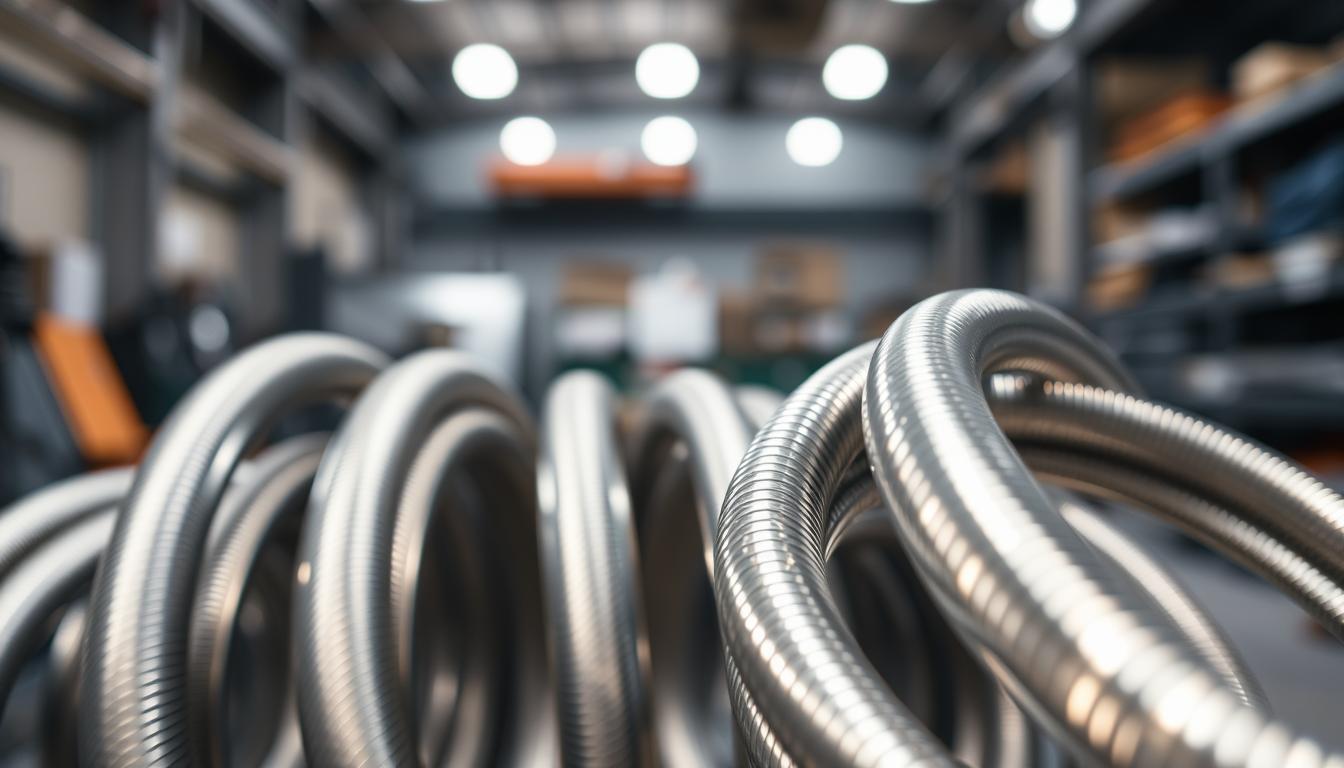
Premium Stainless Steel Tubing Coil Product Range

In this section, we present premium stainless steel tubing coil options for industrial buyers throughout the United States. We cover coil stainless steel tubing along with related stick tubing choices, catalog information including SKUs and manufacturer part numbers (MPN), and standards compliance so procurement and engineering teams can quickly compare steel coil tube suppliers.

Typical inventories list stainless steel coil tube in 150 ft, 300 ft, and 500 ft coils alongside 10 ft and 20 ft stick tubing. Providers including Mako Products document ASTM A269 and ASTM/ASME S/SA249 production details, and Sun Steel plus other vendors often reference ASTM A269, ASTM A213, and ASME SA213 to substantiate performance statements for premium stainless tubing.

Product pages typically show both grouped and individual SKUs, along with formatted pricing and current inventory information. Details include welded or seamless construction, hot-rolled or cold-rolled finishes, and grade options such as 304, 316, and higher-alloy requests. These attributes make it easier to match coil stainless steel tubing to pressure, corrosion, and handling requirements.

stainless steel coil tubes

Overview of Stainless Steel Coil Tubing for Industrial Use

Coil stainless steel tubing provides a compact and flexible supply format suitable for continuous-run systems in plant environments and field installations. Using this format cuts the number of joints and fittings required, which reduces labor demands and leak risk compared with segmented lengths. A stainless steel coil tube additionally offers dependable corrosion resistance and pressure capability for instrumentation runs, hydraulic control lines, and process skids.

What Defines Coil Tubing and Its Core Properties

A stainless steel tubing coil is a wound length of tubing manufactured to meet industry standards such as ASTM A269 or ASME SA213. Common properties include high tensile strength, solid fatigue resistance, and strong corrosion performance in oxidizing and many reducing conditions. They are supplied in standard sizes and alloy options that meet instrumentation and hydraulic application requirements.

How Coil Tubing Differs From Stick Tubing

Coil format supports long, continuous runs without repeated joints. Installers save time because fewer fittings are required. Stick tubing arrives in fixed lengths, often 10 ft or 20 ft, and needs more connections for the same run. Coils are unspooled to track complex routing, while stick tubing is often better for short, linear sections.

Common Coil Lengths and Packaging (150 ft, 300 ft, 500 ft)

Standard coil offerings commonly include 150 ft, 300 ft, and 500 ft packages, with custom lengths available on request. Online catalogs show SKUs and manufacturer part numbers and often provide filters for diameter, wall, material grade, and length. On projects that need 3/8 steel tubing, coils help reduce handling time and cut down on the number of joints versus stick tubing.

Stainless Steel Tubing Coil

Coiled tubing delivers continuous length and flexibility that suit long runs for instrumentation, hydraulic, and process skids. Vendors like Mako Products and Parker Hannifin catalog coil items with specific SKUs, lengths, and handling instructions so buyers can match coil stainless steel tubing to their system criteria.

What makes coiled tubing distinct for continuous-run applications

Coiled product is shipped in long, rolled lengths that significantly reduce the piecewise joins common with stick tubing. This continuous length lowers the coupling count and makes routing around equipment and racks easier. Installers can cut a stainless steel coil tube to exact jobsite lengths, which speeds installation and reduces material waste.

Benefits of Coils: Fewer Fittings, Faster Installation, Reduced Leak Points

Using coiled runs significantly lowers the number of fittings and unions required. Fewer joints mean fewer potential leak points and less assembly labor.

Installers report shorter install cycles when they use stainless steel tubing coil in place of stick sections. This saves time on alignment, welding, or brazing. Projects that use 3/8 id stainless steel tubing often see clear gains in cleanliness and reliability for instrumentation lines.

Guidelines for Handling, Unspooling, and Storing Coils

Protect coils against kinks during unspooling by feeding them from a controlled reel or cradle system. Pulling at an angle or too quickly causes deformation. Maintain coil stainless steel tubing on purpose-designed reels to help preserve its natural bend radius.

Store coils dry and covered to prevent contamination and surface staining. Each coil should be marked with material certificates, SKU, and batch information so that quality checks can be traced quickly.

  • Unspool with a guided reel at low speed and keep bends above the specified minimum bend radius.
  • Support the stainless steel coil tube on cushioned racks or supports so it does not deform from loading.
  • Seal ends with caps to keep debris out before final connection.
  • Ask for supplier handling guides and mill test reports whenever you order coil stainless steel tubing.

Material Grades: 304, 316 and Duplex Options

Choosing the right alloy shapes performance, cost, and service life for a stainless steel coil tube. Engineers typically balance corrosion resistance, strength, and workability when aligning grades with applications. Supplier catalogs often list grade in the product SKU or MPN so buyers can pick 304 stainless steel tubing, 316 stainless steel tubing, or duplex stainless steel coil to meet project needs.

Understanding 304 Stainless Steel: Uses, Properties, and Cost

As an alloy, 304 stainless steel tubing is cost-effective and straightforward to form. Its malleability and clean welding behavior make it a common choice for machine components, HVAC lines, and food processing installations. It resists general corrosion in many environments but fares poorly in continuous saltwater exposure. If budget and ease of fabrication outweigh chloride resistance needs, 304 stainless steel is a sensible selection.

Why 316 Stainless Steel Is Favored for Marine-Grade Corrosion Resistance

316 stainless steel tubing includes molybdenum, enhancing its resistance to chlorides and pitting. This characteristic makes 316 a go-to grade for marine systems, offshore platforms, and surgical equipment. Where brackish water or harsh chemicals are present, 316 typically offers longer service intervals and lower maintenance than 304.

Duplex stainless steels: increased strength and pitting resistance for harsh environments

Duplex stainless steel coil combines austenitic and ferritic phases to deliver higher yield strength and better pitting resistance. This balance suits deepwater, chemical processing, and high-stress piping where both mechanical load and corrosive media are severe. While duplex commands a higher initial price, it often yields lower downtime and fewer replacements in demanding environments.

Choosing a grade depends on temperature range, mechanical stresses, and the exact corrosive exposure. In long-coil continuous-run systems, mechanical demands and corrosion profile guide the choice of 304 stainless steel tubing, 316 stainless steel tubing, or duplex stainless steel coil. An appropriate stainless steel coil tube selection minimizes fittings, reduces leak potential, and improves lifecycle cost performance.

Seamless Versus Welded Coil Tubing

Manufacturers use two main routes to make tubing. One route produces welded stainless steel tubing by rolling a strip and welding it into a tube. The other route yields seamless stainless steel coil via extrusion or piercing of a solid billet followed by drawing through dies. Each manufacturing approach influences cost, strength, and which applications are most suitable.

How Manufacturing Method Influences Use Cases

Welded stainless steel tubing is generally more economical and works well for general instrumentation, HVAC, and low to moderate pressure lines. The welded seam is fused and inspected to meet quality standards referenced on product pages and mill test reports.

Seamless stainless steel coil is free of a weld seam and exhibits improved uniformity when stressed. This characteristic makes seamless coil popular in deep oil and gas control lines, high-pressure hydraulic circuits, and critical process systems where reliability is vital.

Comparing Pressure, Corrosion, and Reliability Performance

For the same size and alloy, seamless tubing often achieves around 20% higher working pressure versus welded options. Where maximum burst margin and fatigue resistance matter most, buyers typically opt for seamless tubing.

Welded stainless steel tubing meets many industrial needs while keeping costs down. With appropriate alloy selection and post-weld treatment, well-manufactured welded tube can deliver long service life even in corrosive conditions.

Standards to verify on specs and MTRs

It is important for buyers to confirm relevant standards on spec documents and mill test reports. Common references include ASTM A269 for drawn or cold-finished seamless and welded tubing for general service, ASTM A213 for seamless boiler and superheater tubes, and ASME SA213 as the corresponding code-authoritative standard.

Feature Seamless Stainless Steel Coil Welded Stainless Steel Tube
Manufacturing Pierced or extruded from billet and then drawn Rolled from strip and welded longitudinally
Cost Level Higher per foot Lower per foot
Working Pressure Capability About 20% higher on average Lower for same size/material
Typical Applications High-pressure oil & gas, critical hydraulics Instrumentation, general process lines, and HVAC
Standards referenced ASTM A213, ASME SA213, ASTM A269 where applicable ASTM A269 for cold-finished welded, vendor-specific MTRs
Inspection Focus Areas Dimensional checks, hydrostatic testing, and tensile testing Weld integrity, nondestructive examinations, and hydrostatic tests

Considering Pressure Ratings, Wall Thickness, and 3/8 Tubing Steel

Engineers and buyers must match wall thickness and diameter to expected working pressure as a basic selection step. Pressure ratings depend on material grade, wall thickness, and tube diameter. Thicker walls raise pressure resistance, while seamless construction typically yields higher ratings than welded products. Catalog specifications and manufacturer part numbers supply exact values for each SKU.

How wall thickness and diameter affect working pressure

For any specific alloy, thinner walls decrease burst pressure and shorten fatigue life. Outer and inner diameters define how stress distributes under internal pressure. Use published grade-specific charts to compare working pressure across wall thickness options. Under high cyclic loads, a heavier wall or duplex grade helps limit the risk of crack initiation.

Choosing 3/8 tubing steel or 3/8 id stainless steel tubing for hydraulic and instrumentation lines

Three-eighths-inch tubing is a common size for instrumentation and lighter hydraulic circuits. Buyers may call out 3/8 tubing steel by outer diameter or request 3/8 id stainless steel tubing when precise internal flow or fittings compatibility matters. Suppliers such as Mako Products list both stick and coil formats for these sizes, including stainless steel tubing coil options for long continuous runs.

How to Calculate Safe Operating Pressure and Select Safety Factors

Begin with the manufacturer’s pressure chart for the selected grade and wall thickness. Apply a safety factor that aligns with applicable codes and the specific application risk level. In practice, safety factors often span from 1.5 for noncritical instrumentation to around 4 for high-risk hydraulic service. For lines subject to dynamic or fatigue loading, reduce allowable working pressure or upgrade to a thicker-walled seamless tube.

Use this practical checklist when selecting tubing:

  • Confirm OD/ID and wall thickness from the spec sheet.
  • Review the difference in rated working pressure between welded and seamless tubing.
  • Determine whether 3/8 steel tubing by OD or 3/8 id stainless steel tubing better fits fittings and flow criteria.
  • Choose stainless steel tubing coil when long continuous lengths lower fittings count and leak points.
  • Include the safety factor and manufacturer pressure chart reference in procurement records.

Surface Finishes and Manufacturing Processes

Selecting the appropriate manufacturing route influences tubing surface quality, strength, and cost. A hot-rolled stainless steel coil is made above recrystallization temperature. The approach boosts production speed and provides good ductility for forming and bending. The trade-off lies in a rougher surface that may need grinding or polishing for visible or sanitary uses.

A cold-rolled stainless steel tubing route runs metal through rollers at room temperature. This cold working tightens dimensional tolerances and enhances tensile strength. The resulting finish is smoother and brighter, making it suitable for medical, aerospace, and precision instrumentation applications. Suppliers often list both hot and cold options for a stainless steel coil tube on product pages so buyers can compare finishes.

Comparing Hot-Rolled and Cold-Rolled Surfaces and Properties

Attribute Hot-rolled stainless steel coil Cold-Rolled Stainless Steel Tubing
Surface Appearance Matte, mill scale present, needs finishing Bright, smooth, low surface roughness
Mechanical properties Higher ductility but lower tensile strength Higher tensile strength and improved yield strength
Dimensional Tolerances Wider tolerances on dimensions Tighter dimensional tolerances
Common Uses General fabrication and heavy-duty tubing applications Instrumentation, medical, aerospace tubing
Cost Range Usually lower cost per foot Higher due to extra processing
Example Product Type Stainless steel tubing coil often used in HVAC and structural runs Stainless steel coil tube commonly used for catheter housings and sensors

Finish choices matter for thin-wall tubing where leaks or contamination are critical. Polished or bright finishes reduce particle traps. Electropolishing and mechanical polishing generate a passive, low-roughness surface suitable for stainless steel tubing coil in clean-room environments.

Common post-processing steps include pickling, passivation, electropolishing, and ultrasonic cleaning. Pickling is used to remove scale and weld discoloration. Passivation boosts the chromium-rich oxide layer to improve corrosion resistance. Electropolishing smooths microscopic peaks to lower bacterial adhesion and improve flow in a stainless steel coil tube.

Razor tubing and related specialty products are supplied in both welded and seamless versions. The decision depends on strength needs and finish targets. For instrumentation or medical lines, cold-rolled tubing with tight surface tolerances is recommended, and buyers should confirm whether the supplier provides cleaning and passivation for a ready-to-install stainless steel tubing coil.

When you specify finish, include measurable criteria such as surface roughness (Ra), visual inspection level, and passivation method. Well-defined specs help procurement move faster and cut rework when a stainless steel coil tube has to satisfy sterile or high-purity requirements.

Industrial Applications Where Coil Stainless Steel Tubing Excels

Coiled stainless steel products serve many industries where continuous length, corrosion resistance, and pressure performance matter. Selecting the proper grade and construction for each application reduces downtime and supports regulatory compliance. Below is a concise map of applications and the tubing types that fit them.

Applications in Oil & Gas

Coiled tubing is used by operators for control lines, hydraulic circuits, and downhole services because a stainless steel tubing coil enables long runs with relatively few fittings. Seamless coil stainless steel tubing frequently covers the higher pressure demands in completions and hydraulic pumping. Mako Products and other suppliers list marine and offshore-rated 316 options for corrosive sea environments.

Chemical Processing and Corrosive Media

In chemical plants, stainless steel coil tube is widely used for feed lines, sampling, and moving aggressive fluids. Selecting 316 or duplex grades helps resist pitting and chloride stress. A properly chosen stainless steel coil reduces leak points and simplifies maintenance in corrosive service.

Medical, Pharmaceutical, Aerospace, Instrumentation, and Heat Exchanger Uses

Medical and pharmaceutical systems require high-purity finishes and tight tolerances. Polished, cold-rolled coil stainless steel tubing and precise 3/8 id stainless steel tubing are common for sterile fluid transfer and instrumentation. In aerospace, corrosion-resistant and high-strength tubing is applied in fuel and hydraulic circuits. Instrumentation and heat exchangers rely on consistent wall thickness and clean internal surfaces from a stainless steel tubing coil to control flow and thermal transfer.

Quick comparison for buyers

Target Industry Recommended Construction Type Typical Grade Why Coil Tubing Works
Oil & Gas Sector Seamless coiled tubing 316 or duplex grades Continuous runs with high pressure capability and fewer fittings
Chemical Processing Coil or stick, passivated 316 and duplex alloys Improved corrosion resistance and reduced contamination risk
Medical & Pharma Cold-rolled, polished coil stainless steel tubing products 304L or 316L grades High purity, easy cleaning, regulatory compliance
Aerospace High-strength seamless coil Duplex, specialty alloys Weight savings, pressure and fatigue resistance
Instrumentation and Heat Exchangers Precision stainless steel tubing coil constructions 304, 316 Stable dimensions, accurate flow control

Ask suppliers about traceability, mill test reports, and recommended finishes when specifying coil stainless steel tubing. Small details, including inside diameter tolerance for 3/8 id stainless steel tubing and correct spool handling, can determine long-term reliability in demanding services.

Sizing and Specification Guidance for Buyers of Coil Tubing

A clear, structured plan is needed when buying coil stainless steel tubing. Start by listing system needs for flow, pressure, temperature, and chemical exposure. Use manufacturer part numbers and SKUs to cross-check material grade and test reports prior to ordering.

Choosing Inner Diameter Versus Outer Diameter Sizing

Use ID-based sizing where internal flow performance and fitting compatibility are critical. Inner diameter controls fluid velocity and pressure drop through lines like instrumentation or hydraulic controls.

Choose OD-based sizing if fittings clamp around the tube or bundle spacing and routing clearances are key. Bend radius and support hardware clearance are strongly influenced by outer diameter.

Aligning Tubing Specifications With Flow, Pressure, and Compatibility Needs

Wall thickness and material grade should be matched to the expected working pressure. Thicker walls increase allowable pressure but slightly reduce flow area.

Mechanical loads, temperature swings, and corrosive media must all be factored in. Grades such as 304 and 316 show different corrosion resistance. Duplex grades provide higher strength in aggressive environments.

For common lengths, vendors typically list 150 ft, 300 ft, and 500 ft coil stainless steel tubing along with cut-to-length sticks at 10 ft and 20 ft. Your choice between continuous coil and stick segments should consider installation speed and how many leak points can be removed.

Reading Manufacturer Part Numbers, SKUs, and Specification Sheets

In many cases, part numbers encode the tubing diameter, wall thickness, and material grade. SKUs shown on product pages correspond to MPNs on mill test reports. Always request the MTR and confirm applicable standards such as ASTM A269 or ASME SA213.

Use spec sheet fields for OD, ID, wall, finish, and pressure rating. Cross-reference any 3/8 steel tubing entry against its MTR to verify tensile strength and hardness values. Look for listings that explicitly state 3/8 tubing steel when that size is required.

Spec Field What to Check Why it matters
Part number / SKU Decode for OD, wall, grade Ensures correct size and traceability to mill test report
Outer diameter (OD) Match tubing OD with fittings and clamp hardware Affects bend radius and clearance in assemblies
Inner Diameter (ID) Used for flow and pressure drop calculations Defines velocity, metering, and instrumentation accuracy
Wall Thickness Compare against working pressure and safety factors Determines pressure capability and mechanical strength
Material grade 304, 316, duplex, or other grades Sets corrosion resistance and temperature limits
Standards referenced ASTM, ASME listings on spec sheet Confirms manufacturing practices and testing benchmarks
Length Options Coil vs. stick options (150/300/500 ft coils; 10/20 ft sticks) Affects installation time, fittings count, and material waste
Test Documents Mill Test Report, hydrostatic tests Validates material chemistry, tensile, and pressure performance

When reviewing quotes, ask suppliers to clarify any SKU details you do not understand. Confirm if each listed item is a stainless steel tubing coil or a cut-to-length stick. For 3/8 steel tubing, insist that MTRs match the part number so there are no surprises during installation.

Quality Standards, Certifications, and Testing

Buyers should confirm relevant material standards and test records prior to accepting a stainless steel tubing coil shipment. Clear documentation speeds approval for regulated systems and supports long-term traceability.

Relevant standards define composition, tensile limits, and corrosion criteria for both coiled and straight tubing products. Typical references include ASTM A269, ASTM A213, and ASME SA213, which govern seamless and welded tubing in process, power, and HVAC systems.

Important Lab and Factory Tests

  • Tensile testing to verify yield and ultimate strength against the specification.
  • Hydrostatic testing to confirm pressure integrity for each coil or lot.
  • Corrosion and pitting tests to check resistance in intended service environments.

Traceability and Mill Documentation

Mill test reports (MTRs) should cite heat numbers, chemical analysis, and mechanical results tied to each coil or cut length. Requesting MTRs helps link each stainless steel coil tube back to its production batch for warranty and safety audits.

Supplier claims and verification

Product pages and catalogs frequently list standards such as ASTM A269 and ASTM A213 and may attach related MTRs. Reputable suppliers explain whether their products are certified to ASME SA213 and can usually provide third-party lab reports upon request.

How to Handle Acceptance Testing on Delivery

  1. Inspect coil packaging and verify that heat number stamping is consistent.
  2. Match mill certificates to physical markings before release into production.
  3. Keep hydrostatic and tensile records with project quality files.

Maintaining clear records for each stainless steel tubing coil improves compliance and reduces risk during commissioning. When choosing a vendor, verify that test methods and certifications meet project specifications to allow full acceptance into service.

Supplier Selection and Inventory Options in the United States

Choosing the right vendor affects project timing, cost, and long-term performance. Domestic suppliers often keep ready stock and offer faster turnaround. Import sources can cut material cost but may add lead time and require extra inspection. Buyers should weigh delivery speed against price and quality assurance when ordering a stainless steel tubing coil or individual sticks.

Ask about standard inventory lengths up front. In the U.S., distributors frequently stock 150 ft, 300 ft, and 500 ft coils as well as 10 ft and 20 ft stick lengths. Having a clear inventory table accelerates procurement and reduces production delay risk. Also verify whether coil stainless steel tubing is available in hot-rolled or cold-rolled finishes suitable for your use.

Request cut-to-length services whenever you require specific sizes. By using custom cuts, on-site waste is reduced and assembly speeds up in instrumentation projects with 3/8 id stainless steel tubing. Be sure to confirm minimum order quantities, lead times, and charges for trimming and deburring.

Check documentation and warranty practices. Reputable vendors supply mill test reports, material certifications, and traceability for coil stainless steel tubing and 3/8 steel tubing. Clarify how warranties handle custom-cut pieces and coils that have been partially unspooled for inspection.

Access to technical support is critical when sizing tubing or selecting alloys. Suppliers like Mako Products and Sun Steel maintain product catalogs with SKUs, spec filters, and technical teams that advise on compatibility with ASTM A269 and ASME standards. Confirm whether engineers can help choose 3/8 steel tubing for hydraulic runs or 3/8 id stainless steel tubing for instrumentation lines.

Negotiate service terms before you issue any purchase orders. Key points include lead time guarantees, packaging methods to protect coil stainless steel tubing in transit, return policies, and inspection windows on delivery. Clear terms reduce disputes and speed project acceptance.

Item Common Options Lead Time Typical Additional Notes
Coils 150 ft, 300 ft, and 500 ft In-stock: 1–7 business days; Import: 4–12+ weeks Check finish: hot-rolled or cold-rolled; request MTRs
Stick Lengths 10 ft, 20 ft In-stock: 1–5 business days Good for standard installs and tight turnaround
Custom Cut Services Cut-to-length, deburred, and packaged Around 1–10 business days depending on quantity Helps reduce field labor; verify minimums and service fees
Alloy & Grade 304, 316, and duplex In-stock grades: faster; special alloys: longer Confirm standards: ASTM A269, ASME S/SA249
Documentation Provided MTRs, certifications, traceability Provided with shipment or on request Essential for regulated and safety-critical work

Before finalizing a supplier, create a short checklist for quotes. That checklist should cover available stainless steel tubing coil sizes, prices for coil stainless steel tubing and 3/8 steel tubing, fees for custom 3/8 id stainless steel tubing cuts, warranty conditions, and technical contact details. Such a list makes comparison easier and supports on-schedule project execution.

Cost Factors, Lead Times, and Overall Value

Price visibility for stainless steel tubing coil can vary significantly between suppliers. Online listings often combine “call for price” items with visible prices, bundled SKUs, and volume-based discounts. As a result, comparing coil stainless steel tubing offers is challenging unless you request a full quote detailing unit cost, bundle logic, and shipping or handling fees.

Material grade, construction method, and length are primary cost drivers. 304 is usually less expensive than 316 or duplex, and seamless tubing carries a premium over welded due to higher working pressure and reliability. Coil lengths (150 ft, 300 ft, 500 ft) and services such as custom cutting, passivation, or polishing raise the price, especially when you need medical- or aerospace-quality finishes from cold-rolled or polished processes.

Testing, certification, and sourcing affect both cost and lead time. Mill test reports, hydrostatic testing, and traceability documentation add procurement expense but are essential for regulated industries. Domestic supply commonly shortens lead time and lowers logistics risk, while imported coil stainless steel tubing may cut unit price but extend wait times. Consider how 3/8 tubing steel or 3/8 steel tubing performance needs influence supplier choice and inventory decisions.

Evaluate total lifecycle value instead of focusing only on unit price. Faster installation, fewer fittings, and lower leak risk from coiled runs can offset higher material costs. Request formal quotes that specify material grade, welded or seamless construction, finish, testing scope, and firm lead times so you can compare true value across suppliers and choose a cost-optimized solution.

Identifying Every Component In Beer Coupler Parts

Kegerator Coupler Parts: Must-Have Accessories for Your Home Draft System

Ever notice your draft beer pouring foamy or completely flat and wonder why? The answer is hidden in the small yet powerful parts that connect your keg to the tap. Without the right setup, even the best brew can lose its crisp taste and perfect carbonation.

At Installation Parts Supply, we know that a smooth pour starts with quality keg parts near me hardware. Whether you are a homebrew fan or simply enjoy fresh draft beer, knowing these parts helps make sure every glass is poured just right.

From washers to gas lines, each part plays a role in maintaining pressure and flavor. More than 90% of dispensing problems can be linked to worn-out or mismatched parts. A bit of understanding can go a long way toward keeping your system running smoothly.

insignia kegerator parts

  • Proper coupler selection ensures optimal beer flow and flavor.
  • Installation Parts Supply provides reliable plumbing solutions for draft systems.
  • Routine maintenance helps prevent many common pouring issues.
  • Different kinds of beer often call for particular coupler designs.
  • Most system failures originate from coupler-related issues.

Kegerator Coupler: What Is It?

A perfect draft pour begins with the correct connection between your keg and the tap. A keg coupler bridges your CO2 tank or nitrogen tank to the beer hose, using compressed gas to push liquid smoothly to your taps. You can think of it as the engine of your draft beer system—without it, no beer flows.

This compact device has two main roles: supplying gas to pressurize the keg and regulating beer flow. Internally, it includes a probe, a check valve, and separate gas and liquid ports. Each part ensures your brew stays carbonated and pours without foam.

Component Function Common Issues
Coupler Probe Punctures the keg seal Misalignment causes leaks
Non-Return Valve Prevents backflow Worn valves can lead to flat beer
Gas and Beer Ports Connects to lines Loose fittings create foam

Connecting the coupler incorrectly is a common beginner error—about 75% of first-time users make it. The result can be foam explosions, leaks, or even ruined beer. Installation Parts Supply provides compatibility charts and helpful videos so you can connect it correctly.

Universal designs mean most couplers work similarly, but always match yours to your keg type. A mismatched connection not only ruins the beer but may also harm your equipment.

Types of Keg Couplers and Their Uses

Not all keg connections are created equal—some are designed for specific brews. Choosing the correct coupler for your beer helps keep carbonation and taste at their best. Here is how to choose the best match.

Roughly 85% of North American craft beers rely on this common style. It uses a single-valve design that locks tightly onto most domestic kegs. Helpful tip: Look along the side for the Sankey marking.

U System Keg Coupler

Easily identified by the harp symbol, this coupler is required for nitro beers such as Guinness. A specific gas blend (roughly 75% nitrogen) is used to deliver that classic creamy head. Never try to force a U coupler onto a regular keg—it will not seal properly.

European Sankey S System Coupler

Heineken and many other European imports require this reverse-thread style. The left-hand twist prevents mix-ups with D Systems. Fun fact: It’s slightly taller than its American cousin.

A, G, and M System Keg Couplers

Many German and UK beers require specialised connectors:

  • A System: Slides onto Warsteiner or Paulaner kegs. The “slider” mechanism is foolproof.
  • G-Style: Uses a tri-flat stem that fits Bass and Boddingtons. It is a common standard in UK pubs.
  • M System: Locks onto Schneider Weisse kegs. The sliding lock gives a clear click when locked in place.

Their compatibility guides at Installation Parts Supply are colour-coded: green for D, black for U, and blue for S. One Midwest microbrewery saved around $3,000 per year after switching to the correct couplers. Remember, genuine compatibility is always better than generic “universal” claims.

Key Kegerator Coupler Parts and What They Do

Behind each smooth pour is a collection of precisely engineered parts. These small but mighty pieces ensure your beer stays carbonated and flows flawlessly. Here’s a breakdown of the key hardware that keeps your setup operating properly.

Probe and Check-Valve Assembly

The stainless-steel probe punctures the keg seal and helps regulate beer flow. Premium models last 3x longer than economy versions. Beneath it, the check valve stops backflow—one of Installation Parts Supply’s most frequently replaced items.

Hex Nuts and Washers

The hex nut is where a tight seal begins. Brass suits budgets, but stainless steel resists corrosion. Pair it with nitrile washers for cold temperatures—EPDM rubber cracks faster below 40°F.

Component Construction Key Benefit
Probe Stainless Steel Resists wear
Check-Valve FDA-approved plastic Prevents flat beer
Hex Coupling Nut Brass or Stainless Steel Balances cost and durability

Gas and Liquid Ports

The gas port handles 20–30 PSI for CO₂ or nitrogen. Using the wrong pressure setting leads to excess foam. Liquid ports perform best with 3/16″ inner-diameter tubing—1/4″ lines can increase turbulence. Rebuild kits with FDA seals simplify maintenance.

Pro Tip: Replace O-rings every six months or roughly every 50 kegs. A simple $3 washer swap is cheaper than replacing a $150 coupler.

How to Install Your Kegerator Coupler

Setting up your draft system properly leads to consistently great pours. When installed properly, you avoid foam problems, leaks, and flat beer. Follow these steps to connect everything smoothly.

How to Connect the Coupler to the Keg

Lift the handle up and line up the coupler lugs with the keg slots. Rotate clockwise to tighten until snug, but avoid over-tightening to protect the seal. Low-profile designs can reduce total height by roughly 4 to 5 inches, ideal for tight areas.

With Installation Parts Supply’s torque wrench, hex nuts can be set accurately to 8–10 ft-lbs. About 80% of leak issues come from a misaligned probe. Always use fresh washers to maintain pressure.

Attaching Gas and Beer Lines

Attach the gas hose to the coupler gas port with 5/16″ MFL fittings. Apply a suitable thread sealant to stop CO₂ leaks. For beer lines, 10–12 feet of 3/16″ tubing gives a good pressure balance.

Task Tool Helpful Tip
Gas Connection Thread Sealant Pressurise to 30 PSI and look for bubbles
Beer Line Tubing cutter Keep ends square for seals
System Pressure Test Leak detector Check for 24 hours

More advanced systems pair with mobile apps for real-time pressure monitoring. A Denver brewery cut foam by 40% using quick-connects from Installation Parts Supply. If you notice a major leak, immediately shut off the CO₂.

Troubleshooting Common Coupler Problems

Nothing spoils a cold pint more quickly than foam shooting everywhere. Most pouring issues come from simple causes once you know what to check. Let’s tackle the frequent headaches and their solutions.

Leaks and Foamy Beer

Foam accounts for 68% of draft system complaints. Start by checking your temperature—ideally 38°F for most ales. If it is too warm, CO₂ escapes too quickly.

Next, inspect your beer line connections. Using a soapy water solution shows gas leaks when bubbles appear. Tighten loose fittings gently with a wrench, avoiding over-tightening.

  • Check-ball failure can cause intermittent flow—listen carefully for hissing noises
  • Pressure imbalance? Compare your gauge to this chart:
Type of Beer CO2 PSI Nitrogen Mix
Standard Lagers 10–12 Not Applicable
Nitro Stouts 25-30 Approx. 75% nitrogen

Loose or Poor Coupler Fit

When your coupler fits loosely, begin by inspecting the O-rings for wear. According to Installation Parts Supply, this simple check fixes roughly 40% of fit issues. If the coupler face is warped, it may need to be replaced.

On uneven surfaces, use keg shims. These inexpensive plastic wedges stabilize wobbling connections. In small coolers, low-profile models help fix height and clearance problems.

Pro Tip – Their emergency washer kit contains five critical seals. A Chicago bar cut waste by 18% after training staff on these quick fixes.

Remember—frost on your CO₂ tank signals overuse. Let it thaw before adjusting pressure relief valves. Digital gauges need yearly calibration for accuracy.

How to Clean and Maintain Your Keg Coupler

Keeping your draft system clean ensures each pour of beer tastes crisp and fresh. As time passes, residue builds, impacting both flavour and dispensing efficiency. A straightforward cleaning routine keeps everything running well.

Disassembling and Soaking the Coupler

Start by taking apart the coupler. Take off the handle, the probe, and the check valve. Soak all parts in warm water mixed with 1 oz of PBW per gallon for 15–20 minutes. This removes yeast and hop oils.

Installation Parts Supply offers a brush set that reaches into tight areas. Pay extra attention to the ball valve—it’s a common hiding place for gunk. Make sure to rinse completely so no soapy flavours remain.

Choosing the Right Cleaning Solution

PBW (Powdered Brewery Wash) is a top pick for its pH balance. While acid cleaners act faster, they can slowly damage rubber components. In commercial setups, ultrasonic systems use sound waves to knock loose debris.

  • Drying: Use compressed air or microfiber cloths. Moisture breeds mold.
  • Sanitizing: According to FDA CFR 117 guidelines, 30 seconds of contact time is required to kill bacteria.
  • Logs: Track cleanings with a template. Consistency in logging helps avoid missed cleanings.

UV light systems can provide extra protection for rubber components. Always neutralise wastewater—PBW is alkaline and can harm pipes. A small amount of effort delivers quality pours and extends your system’s lifespan.

Conclusion

Mastering your draft beer system lets you enjoy crisp, fresh beer every time. Matching the right hardware, regular cleaning, and proper setup make all the difference. Installation Parts Supply provides lifetime support plus seasonal discounts on rebuild kits to help keep your pours perfect.

Did you know that routine care can extend the life of your equipment by up to 7 years? You can download their free compatibility checklist or join a brewmaster webinar for professional tips. A quick annual inspection ensures trouble-free operation—just ask their 5-year satisfied customers.

Thinking about upgrading your system? Visit Installation Parts Supply today and raise your home bar game.

Essential Palette Knife Painting Supplies For Beginners

Textured Wall Art for Modern Home Décor

I can clearly remember walking into my friend’s freshly styled apartment last spring. The atmosphere felt more vibrant, more intimate. My eyes were instantly drawn to a dramatic piece hanging over her sofa.

It wasn’t your usual flat artwork. You could sense the dimension even from across the room. Bold strokes formed shadows that moved with every change in lighting. As I examined the Bedroom Wall art more carefully, the layered paint opened up like miniature landscapes.

This experience reshaped my perspective on decorating. Artwork should invite engagement, not just be passively looked at. The texture imbues depth, turning ordinary walls into focal points for conversation.

I can’t wait to explain how these layered pieces can transform your rooms. Whether the style is abstract or nature-inspired, textured wall art brings personality and energy to any room. Let’s dive into making your walls truly engaging.

So, What Is Textured Wall Art Exactly?

When I think about wall art that genuinely transforms a room, I quickly move past conventional flat paintings. It’s a real upgrade in the world of home decor. It’s more than decoration; it feels built into the very structure of your wall.

Textured Wall Art

Going Past the Traditional Flat Canvas

Classic paintings can look beautiful, yet they often lack a physical presence. Textured pieces, however, break free from this two-dimensional limitation. They protrude from the wall, casting shadows and adding depth that shifts with the light.

One standout piece I found is the 3D White Layered Flower Textured Abstract Wall Art. Made using acrylics on a strong canvas base, it forms gentle floral shapes that seem to come forward. The layered construction imbues a depth that flat art cannot match.

Texture as the Centerpiece of the Design

The defining feature of textured wall art is the way texture becomes the main focus. It’s not merely an embellishment; it’s the focal point. That tactile quality greatly increases the artwork’s impact and emotional pull.

This is where handcrafted wall art really stands out. Artists use a variety of techniques to build surfaces that invite touch and curiosity. In particular, mixed media wall art brings together materials such as:

  • Thick acrylic paints applied with palette knives
  • Textured pastes and modeling compounds
  • Incorporated natural elements like sand or fibers
  • Overlaid papers or textiles

Each finished piece becomes a one-of-a-kind work that engages more than just your eyes. The varied surfaces reflect light uniquely, and their patterns evolve with your viewpoint. That dynamic nature gives textured art a feeling of life within your home.

I find it fascinating how these pieces narrate stories through their physicality. You can see the artist’s hand in each tiny detail. You’re not just looking at art; you’re experiencing the artist’s journey up close.

Why Modern Homes Love Textured Wall Art

Over time, I’ve seen home decor trends move in a new direction. Textured wall art has grown from simple decoration into the centerpiece of many modern interiors. These Modern Abstract Painting pieces don’t just decorate walls; they reshape the entire feel of a room.

Adding Depth and Dimension to Your Space

Flat artwork may look lovely, yet textured pieces feel truly mesmerizing. A Large Textured Portrait in Black and Orange turned my living room into a new space. The artwork’s ridges and peaks interact with light, casting shadows that change with the day.

Textured art brings a range of benefits:

  • Makes the room feel more spacious
  • Brings motion to the room via changing light
  • Provides visual interest from every angle
  • Works effortlessly with a wide range of design styles

My Oversized Handcrafted Coastal Wall Art became a focal point. Friends often mention how it shifts the atmosphere from morning to night.

The Sensory Joy of Tactile Art

Textured art truly excels in this aspect. Unlike flat art, you can feel the artist’s touch. That physical interaction reveals the story of the artwork and deepens your engagement.

It’s always interesting to watch guests react to my 3D wall decor. Their eyes light up as they explore the artwork’s physical dimension. That sensory bond makes the artwork feel intimate and alive.

The growing popularity of abstract home decor shows we’re craving something deeper. We want pieces that engage more than just our eyes and strengthen our connection to our spaces.

Discovering Modern Abstract Painting

Modern abstract painting fascinates me because it can express meaning without showing clear, recognizable objects. These Livingroom Wall Art pieces communicate through color, shape, and motion, going beyond traditional visual storytelling.

Abstract art encourages a quiet conversation between the viewer and the piece. Each individual’s perception of a piece can vary greatly. This diversity in interpretation is what makes abstract art so enchanting—it’s deeply personal and open to multiple perspectives.

The Emotion and Energy Behind Abstract Shapes

The most impactful abstract paintings exude a palpable emotional resonance. I’ve witnessed pieces where colors seem to dance with exuberance. Other paintings communicate deep reflection using dark, weighty brushstrokes.

By adjusting color and layout, artists provoke specific emotional responses. A bold red might signify passion or intensity, while soft blues evoke serenity. The placement of forms gives the artwork a sense of motion and vitality.

There was one artwork that struck me as a visual explosion, much like a sudden musical crescendo. Its colors blended together in harmony, creating a kind of visual symphony. Even without showing anything literal, it communicated a full spectrum of feelings.

The Way Texture Improves Abstract Home Decor

Texture significantly enhances the impact of abstract art. It adds a tactile dimension that invites closer inspection and appreciation of the artist’s skill.

The way textured surfaces interact with light is mesmerizing. Morning light can emphasize specific ridges, while evening light uncovers different details. Because of this dynamic interplay, the artwork stays interesting and always feels a bit different.

Large, textured abstract pieces command attention in any setting. The combination of size and texture gives them a presence that flat canvases can’t reproduce. They become focal points that add elegance and depth to the room.

Adding textured abstract art to my home has significantly shifted the way I feel in each space. These artworks don’t merely adorn walls; they engage with the environment, light, and viewers, creating a dynamic, interactive experience.

The Artist’s Touch: Techniques Behind the Texture

Ever looked at a textured piece and asked yourself how it came into existence? The answer is found in the particular methods artists use. They help convert basic materials into compelling three-dimensional art. Let me share the fascinating methods artists use to create these tactile masterpieces.

Why Palette Knife Painting Creates Dramatic Texture

Some of the most dramatic textures come from palette knife painting. Artists use metal blades instead of brushes, applying thick paint layers. This technique creates bold, impasto effects that catch light beautifully.

Palette knives make it possible to create sweeping movements and defined edges that brushes struggle to produce. Every stroke preserves a record of the artist’s movement and energy. I enjoy watching how these artworks seem to transform as light dances over their textured surfaces.

Building Depth with Mixed Media Wall Art

Mixed media wall art takes texture to another level by combining various materials. Artists might layer acrylic paints with metallics, textiles, or even natural elements. This approach leads to remarkable depth and intense visual interest.

The combinations are endless – I’ve seen pieces incorporating gold leaf, textured papers, and dimensional pastes. Each material contributes its own character to the piece. The result is a rich, complex surface that invites closer inspection.

The Special Value of Handcrafted Wall Art

There’s a certain energy in handcrafted wall art that factory-made pieces can’t replicate. When artists invest their hearts in a unique creation, you can sense that personal link. Each piece becomes a one-of-a-kind expression of creativity.

I appreciate knowing that no two handcrafted artworks are exactly alike. Those small variations and human touches are what make each piece special. That authenticity helps build a stronger bond between the artwork and the room it lives in.

All of these methods show that art goes beyond appearance and becomes an experience. The texture tells a story of creation that flat surfaces simply can’t convey.

Choosing the Perfect Scale: The Impact of Large Canvas Art

Selecting the right size for your textured wall art can completely transform a room’s atmosphere. The scale of your artwork communicates different emotions and serves different purposes throughout your home.

Making a Bold Statement with Big Canvas Art

Oversized pieces create instant drama and personality in any space. A huge textured canvas often defines the room’s personality, expressing confidence and artistic intent.

My favorite piece of large canvas art at home spans almost five feet. It features dramatic black and white swirls that command attention the moment you enter the room. This type of big canvas art doesn’t simply dress the wall—it defines the whole space.

Big Abstract Wall Art as a Room’s Centerpiece

Choosing substantial big abstract wall art creates an anchor point for your entire decor scheme. The textured surfaces catch light differently throughout the day, constantly changing the room’s mood.

For me, placing a substantial artwork above a sofa or fireplace naturally ties the room together. It draws the eye and establishes a color palette that other elements can complement. The three-dimensional quality of textured art adds depth that flat pieces simply can’t achieve.

Selecting Smaller Pieces for Subtle Accents

Not all walls require a huge statement artwork. Smaller textured pieces do a wonderful job of creating intimate moments in different corners of your home.

I use smaller pieces in these key areas:

  • Hallways and entryways where space is limited
  • Mixed gallery walls featuring a variety of textures
  • Bedrooms where subtlety creates calm
  • Bathrooms where small artworks add charm to practical spaces

These modest pieces let me extend the textured theme around my home without overpowering any room. They bring a sense of completeness and interest to spots that might seem empty.

The real magic appears when you balance large and small pieces in your home. Larger artworks speak loudly, and smaller ones supply the finishing touches that transform a house into a home.

Finding the Right Spot: Placement for Maximum Impact

Deciding where to hang your textured art is key to its impact. Through experience, I’ve found that the right spot can turn a simple decoration into a game-changer. In many ways, placement makes all the difference.

Making a Focal Point with Living Room Wall Art

A living room feels more complete with a key piece that instantly draws the eye. I’ve found that hanging large textured art above the sofa or over the fireplace mantel works beautifully. These spots allow the art to shine and become the room’s focal point.

Reflect on the angles and viewpoints from which guests will see the piece. A great piece will be visible from multiple seats around the room. The right living room wall art can spark conversations and set the mood for your home.

Creating a Calm Retreat with Bedroom Wall Art

Bedrooms require a different vibe – art should calm, not excite. My preference is to hang gentle, soothing works across from the bed or directly over the headboard. This arrangement provides a calming sight to wake up and fall asleep to.

For bedrooms, soft textures and gentle colors are ideal. The perfect bedroom wall art should be as calming as a lullaby, promoting relaxation and introspection.

Incorporating 3D Wall Decor in Unique Spaces

Remember those transitional areas that often go unnoticed. Hallways, entryways, and home offices often benefit from 3D art. They frequently feature lighting conditions that highlight textures in exciting ways.

3d wall decor really stands out in tight hallways, where regular art may look dull. Shadows and depth working together add a sense of life to these spaces. Home offices also benefit from textured art, bringing an extra spark of inspiration.

Lighting is absolutely vital in these areas. Natural light can make textures pop, while artificial lighting can highlight them at night.

Why Modern Wall Sculptures Are the Ultimate 3D Statement

I see modern wall sculptures as the epitome of three-dimensional art. They convert simple walls into lively focal areas that capture the eye and start conversations. They don’t just hang on the wall; they interact with the environment, enhancing the overall room.

Blurring the Line Between Art and Object

The appeal of these sculptures comes from their ability to act as both art and architectural detail. They often integrate a variety of elements, including:

  • Natural materials that introduce an organic feel to the interior
  • Shiny metallic accents that immediately draw attention
  • Structured geometric patterns that suit contemporary furnishings
  • Raised surfaces that invite you to reach out and feel them

These creations transcend mere decoration, becoming conversation starters and defining a room’s essence.

How Sculptures Play with Light and Shadow

It’s truly captivating to watch how these pieces change throughout the day. Morning light accentuates textures differently than afternoon sun, creating a constantly evolving display. I’ve observed three striking effects:

  1. Striking shadows that change as the sun shifts position
  2. Highlighted textures that appear to move and dance across the piece
  3. Reflective parts that scatter light around the room

This dynamic nature keeps the artwork feeling fresh and continually interesting. Light and shadow working together create depth, so the piece feels animated and responsive to its surroundings.

By choosing modern wall sculptures, you embrace art that evolves with your space. You’ll find small moments of discovery each time you walk into the room.

Why Custom Textured Artwork Feels Magical

Having a piece of art crafted just for you feels incredibly special. While beautiful pieces abound, custom textured artwork makes your walls uniquely personal. It allows you to be part of the creative process, not just picking from what’s already made.

Commissioning a Piece That’s Uniquely Yours

Beginning a custom textured artwork project with an artist starts with a conversation. You explain your vision, preferred colors, and the mood you want. The artist takes those ideas and brings them to life, making sure the piece fits your space exactly.

This approach ensures the artwork suits your decor and reflects your personal style. Whether your goal is to echo your room’s palette or create a certain emotion, the result becomes a treasured possession. They stand out from mass-produced art, which can’t offer the same personal touch.

Collaboration with Artists for Truly Personal Art

The true magic appears in the collaboration between you and the artist. It’s not just about buying art; it’s about creating it together. This partnership allows for adjustments and refinements, ensuring the final piece truly speaks to you.

Many artists thrive on this creative exchange, bringing new perspectives to their work. Your insights influence their choices, whether it’s using a palette knife or blending mixed media elements. The result is artwork that reflects both the artist’s skill and your personal story, making it more meaningful than any store-bought piece.

This collaborative process turns art into a part of your home’s identity. The texture, color choices, and composition each mirror your journey. Each glance at your wall becomes a reminder of a creative partnership that brought beauty into your life.

Discovering Unique Wall Hangings and Cultural Pieces

My exploration of textured art has unveiled incredible pieces from across the globe. These items are more than mere decorations; they are narratives ready to adorn your walls. Searching for special pieces can transform a simple house into a haven that mirrors your essence.

How Global Influences Shape Textured Art

A range of cultures brings remarkable textures into the world of wall art. The allure of African mud cloth patterns lies in their rich, earthy tones. In contrast, Asian influences often manifest through delicate paper textures and the lustrous sheen of gold leaf.

The Japanese Wabi Sabi philosophy has deeply influenced my own aesthetic tastes. It celebrates imperfect beauty and the unrefined qualities of natural components. Wabi Sabi wall art, featuring subtle textures and organic forms, communicates powerful messages in quiet ways.

Many Mediterranean artworks feature sea glass and tactile ceramics, while Scandinavian design usually pairs minimalism with slight woven textures. Every cultural source brings a special contribution to the look and feel of your space.

One-of-a-Kind Finds for a Personalized Home

Acquiring unique wall hangings imbues your space with a distinct character. I seek out pieces that stand alone, each with its own story. Handcrafted items from local artisans serve as conversation pieces, enriching your decor.

Treasures picked up in markets during my travels weave personal history into my home. Textured tapestries from Morocco narrate tales through their patterns, while hand-embroidered pieces from Mexico infuse vibrant energy. These discoveries make my home a reflection of my journeys and tastes.

Mixing these one-of-a-kind finds with modern art helps establish harmony. This blend adds depth and personality to your walls, transforming them into a gallery of personal expression.

Curating a Cohesive Look with Contemporary Art Pieces

Bringing textured wall art into your home is just the beginning. True transformation occurs when you integrate these works into your existing decor to build a cohesive feel. I’ve discovered that achieving a unified look depends on how textures and colors relate to each other throughout the room.

Balancing Textures with Other Design Elements

Texture acts like a conversation point between the artwork and the rest of the room. I love pairing dimensional wall pieces with complementary textiles and materials. A heavily textured canvas might sit beautifully against smooth leather furniture or soft velvet pillows.

Consider these combinations for balance:

  • Thick impasto artworks next to sleek metallic decor
  • Textured woven hangings with warm wooden elements
  • 3D wall sculptures alongside plush area rugs
  • Mixed media artwork paired with glass or ceramic pieces

The goal isn’t to match every texture but to build thoughtful contrasts. When textures complement one another, your whole space feels carefully designed.

Picking Color Palettes that Complement Your Art

Color harmony turns separate pieces into a cohesive collection. My approach is to identify the dominant colors in the room, then pick art that either supports or strategically contrasts those hues.

For more neutral spaces, I often choose textured artworks that introduce soft variations in color for added depth. In more colorful rooms, bold abstract pieces can boost the energy and unify the palette.

My own strategy is to weave a continuous color story across the room. I might pull one accent color from my artwork and repeat it in smaller decor elements across the room. Doing this creates visual links that make every contemporary piece feel naturally integrated.

Keep in mind that texture alone can change how we perceive color. The same color can look very different on a smooth surface compared to a heavily textured one. Always check how things look under your room’s lighting before finalizing decisions.

Looking After Your Textured Wall Art

Proper maintenance is as vital as choosing the right piece. Caring for your textured wall art ensures it stays beautiful for years. Simple practices have kept my collection looking vibrant.

Dusting and Cleaning Techniques for Delicate Surfaces

Delicate textured surfaces should always be treated carefully. For routine maintenance, I use a soft feather duster. That way, I avoid harming the surface while still removing dust.

For deeper cleaning, I follow these steps:

  • Use a soft, dry brush to gently loosen dust caught in crevices
  • Wipe gently with a microfiber cloth
  • Never use liquid cleaners or water
  • Work in the direction of the texture patterns

Using this approach keeps the artwork intact and dust-free.

Long-Term Protection for Your Textured Art Investment

Protecting your art from environmental factors is key. I keep pieces away from direct sun to prevent fading and material weakening.

Climate control is also important. I try to ensure that humidity in my house stays relatively consistent. Extreme moisture or dryness can cause damage.

Here’s my preservation checklist:

  • Keep away from heating vents and windows
  • Keep the room temperature as stable as possible
  • Swap or rotate artworks seasonally so exposure evens out
  • Check mounting hardware annually

These practices have beautifully preserved my textured pieces. Proper care protects their beauty and value.

Why Textured Art Will Always Belong in My Home

Textured wall art has become a permanent fixture in my home. It brings depth and a unique energy to each room. I find it transforms ordinary walls into something extraordinary.

A custom palette knife piece adds lively energy to my living room. It serves as more than decoration—it’s a personal statement. Each handcrafted piece tells a story that personalizes my home.

Modern abstract paintings with texture beautifully catch the light. They change with the day, keeping my space vibrant and alive.

Big canvas pieces create an unmistakable statement. It commands attention and naturally becomes the main focus of the room. Even smaller textured pieces add a subtle charm.

I love the tactile experience of 3D wall decor. It naturally encourages touch and exploration. That act of interaction helps the art feel more real and engaging.

Textured artworks mirror my personal taste and character. They’re part of what transforms a basic house into a welcoming home. I encourage you to explore textured art for your own space.

Choose a piece that genuinely resonates with you. Allow it to add both dimension and emotion to your walls. Your space truly deserves a distinctive, handcrafted accent.

Textured Wall Art FAQ

Q: What exactly is textured wall art, and how does it differ from flat art?

A: Textured wall art goes beyond the flat canvas by adding three-dimensional elements. Unlike traditional art, texture is a primary design feature. Examples include 3D layered floral artworks and handcrafted mixed media creations. They offer both visual and tactile appeal, adding depth and helping your space feel more dynamic and engaging.

Q: How does textured wall art change the atmosphere of a room?

A: By adding depth and dimension, textured art can make your room feel bigger and more alive. Whether you choose a large abstract painting or a handcrafted coastal piece, the tactile ridges and peaks invite touch and draw the eye. In my home, these pieces spark conversations and make the space feel alive, blending perfectly with modern abstract home decor and 3D wall decor trends.

Q: How do artists typically create textured effects in wall art?

A: Many artists use palette knife painting, applying thick, bold layers of paint to achieve impasto texture. Mixed media methods may mix acrylics, metallic elements, and textiles to increase complexity. I love handcrafted wall art because each piece carries the artist’s personal touch, making it unique and full of authenticity.

Q: How can I pick the right size of textured art for my room?

A: If you want a bold statement, choose large canvas art or big abstract wall art that can dominate the room and act as a centerpiece. In my own home, one oversized artwork firmly anchors the entire room. Smaller works, like a set of two minimalist canvases, are perfect for accents in cozy nooks or galleries walls where you want detail without overwhelming the area.

Q: Where is the ideal place to hang textured wall art?

A: In living rooms, place large neutral abstract art above sofas or mantels so it becomes a focal point. For bedrooms, opt for serene textured pieces that help maintain a calm atmosphere. Remember, hallways and offices also work well for 3D wall decor, letting light accentuate texture over the course of the day.

Q: How do modern wall sculptures function within home decor?

A: Modern wall sculptures blur the distinction between decorative object and fine art, acting as functional decor that engages your space. They play beautifully with light and shadow, creating dynamic effects that change throughout the day. I love the way these contemporary art pieces add evolving visual interest while making a strong style statement.

Q: Can I work with an artist to create custom textured art?

A: Absolutely! When you commission custom textured artwork, you collaborate directly with an artist to produce a piece that’s uniquely yours. You can customize everything—from the color scheme to the theme—so it fits your style and space. In my own experience, custom artwork carries special value and makes a home feel more personal and expressive.

Q: What’s the best way to maintain textured wall art?

A: Start by gently dusting with a soft tool, such as a feather duster, so you don’t damage the textures. To preserve your art over time, avoid direct sun exposure and unstable humidity levels. I’ve found that consistent, gentle care keeps my collection looking pristine and protects both its beauty and investment value.

Q: How can I mix textured art with my existing decor?

A: To blend textured art with existing decor, pair it thoughtfully with textiles, furniture, and other pieces that complement it. When choosing color palettes, look for art that either complements your current scheme, such as a neutral textured floral canvas for soft rooms, or provides a vibrant abstract for bolder spaces. I love curating a balanced aesthetic where everything works together seamlessly.

Q: Where should I look for unique or culturally inspired textured wall art?

A: Try seeking artworks that exhibit global inspiration, like Wabi Sabi pieces that celebrate imperfection, or handcrafted works from distinct locales. These one-of-a-kind discoveries inject character and storytelling into your home. I personally enjoy searching for unique wall hangings that introduce global flair and make my space feel distinctly personal.

Choosing The Right Portable Generator For Rent

Portable Generator Rentals: Reliable Power Solutions by Turn Key Events

What if a single call could stop your plans from derailing the moment power is uncertain?

You need dependable power on demand, and Turn Key Events makes securing a portable generator rentals Houston simple. Book your rental through Turn Key Events and partner with a friendly, professional team that offers fast quotes, clear timelines, and reliable delivery where you need it.

Your rental is tailored to your timeline, load needs, and site conditions so that small gatherings and major builds stay on schedule. You get a single main point of contact and a quick-to-respond team that handles delivery, setup, and pickup, letting you focus on running the event or job.

Expect clean, quiet operation, right-sized capacity, and safety-first guidance on grounding, cord management, and startup steps. Flexible timing and simple change-outs allow Turn Key Events to respond quickly if your plans shift.

portable generators for rent Houston

Custom power solutions matched to your event or jobsite

When uptime matters, Turn Key Events builds a power plan that matches your event or jobsite. Give us your list of loads—lights, audio, coolers, or tools—and we choose equipment to provide stable power without excess capacity.

We plan for starting surges on motors and compressors so your generator won’t trip when gear starts. Whether your location is a downtown venue, a rural field, or a compact jobsite, we plan delivery paths, unit placement, and cable routing for safe access.

  • Your rental can include cables, spider boxes, transfer switches, and distribution panels for a turnkey power layout.
  • We schedule refuel intervals around your timeline to minimize interruptions.
  • At events, low-noise units and placement keep guests comfortable; on jobsites, rugged generators and enclosures help maintain continuous operation.
  • If needs grow, Turn Key Events adds units or balances loads so power scales smoothly.

With each Turn Key Events rental, you also get friendly on-site help and useful accessories.

Portable generator rentals that fit your power demands

Turn Key Events provides clean, dependable power plus site-ready assistance so you can focus on your work.

Events and festivals: guest-friendly, quiet power solutions

You get low-noise generators and thoughtful positioning to keep the sound near the noise floor while supplying power to stages, catering operations, and lighting.

We lay out circuits for stages, vendors, and back-of-house areas so each area has stable service without unwanted breaker issues.

  • Cable management and matting keep walkways organized, safe, and ADA-compliant.
  • Clean voltage keeps sound boards and LED walls running smoothly.

Construction and industrial: rugged generators that keep you working

For sites, Turn Key Events suggests weather-protected, high-duty units to run tools, pumps, welders, and temporary lighting.

We can deploy multiple generators in phases—site prep, framing, finishing—so power grows with your project.

  • Low-emission options, baffling, and setbacks support compliance with noise and air regulations.
  • If your timeline extends, we adjust the rental term and coordinate refueling to maintain continuous operation.

Generator configurations and specs aligned with your needs

Balance capacity, runtime, and noise management for your site so the generator performs when it matters most.

Power output levels: small inverters through high-capacity generators

Choose from compact inverters for small booths up to high-capacity towable units that power main stages or heavy jobsite loads.

We determine the right size by confirming continuous and surge wattage. That reduces nuisance trips, trims fuel consumption, and maintains steady power.

Fuel options and expected runtime

Gasoline options are ideal for smaller and mobile uses. Diesel units give longer runtime and better efficiency under heavy load.

Extended fuel setups and scheduled refueling help you run through long days or night shifts without downtime.

Sound reduction and air-quality considerations

Low-noise models, sound blankets, and smart placement reduce decibels near audiences and crew.

Clean air measures include emissions-conscious equipment and venting strategies that move exhaust away from guests and work areas.

  • Parallel-capable units and distribution let you scale and isolate critical circuits for redundancy.
  • We factor ambient temperature and altitude into output so your choice performs in real-world conditions.

On-time delivery with nationwide coverage across the United States

Turn Key Events organizes logistics so your site gets power precisely when and where you planned.

We support customers across the United States with reliable routing and transparent timelines. Your rental includes careful planning from dispatch through pickup so you can focus on the event or job.

Easy logistics: full delivery, setup, and pickup at your site

  • Across the U.S., we handle trucking, local routes, and entry so delivery stays on schedule.
  • On arrival we check placement, grounding, and cable runs, then test under load prior to handoff.
  • Pickup is simple—when your rentals end we shut down safely, remove cables, and clean up the area promptly.
  • For multi-stop events or touring shows, we plan staging, storage, and coordinated handoffs to keep your schedule tight.
  • If you need generators across zones, we time deliveries so each zone comes online when you need it.
  • Weather contingency plans and protective coverings reduce surprises and keep power dependable.
  • Real-time communication from dispatch to setup ensures you receive up-to-date arrival and timing information.

Transparent pricing with a simple rental process

Consistent, easy-to-read pricing supports budget planning and logistics with fewer surprises.

Turn Key Events provides clear estimates so you understand the total cost. Your quote lists equipment, delivery, and optional on-site services as separate items.

Pricing factors: generator size, rental length, fuel, and accessories

Many factors shape the final price. We include generator size, expected runtime, rental duration, and delivery distance in each estimate.

Accessories like distribution panels, cabling, and on-site standby are shown separately so you can choose what you need.

Ask the Turn Key Events team for a fast quote

Send us your load list and timeline and we will suggest the most economical generator rental that still covers surge and peak needs.

  • Quotes include details for size, runtime, rental length, plus accessories or refueling.
  • We break down pricing so equipment, logistics, and optional services are clear.
  • Count on quick responses—reserve your dates and continue planning confidently.

Safety, support, and fuel management you can count on

From pre-checks to ongoing fuel service, Turn Key Events stands behind your operation.

You get 24/7 access to a skilled team that provides phone troubleshooting and sends on-site help as required.

Around-the-clock support, on-site direction, and planned refueling

At setup we guide you through safe startup, balancing loads, and proper shutdown to build crew confidence.

Proactive fuel service is scheduled around your peak use and quiet hours to keep power steady without surprises.

  • We issue safety gear and share best practices for cable routing and spill prevention.
  • For critical work, we stage backups and set transfer protocols so you have contingency power ready.
  • Placement, exhaust direction, and weather protection help control noise and limit environmental effect.
Support Service What You Gain Availability
24/7 Support Remote troubleshooting with rapid dispatch Nationwide
On-site Training Better confidence with starts, balancing, and safe shutdown At setup
Refueling & Safety Uninterrupted operation and spill prevention Arranged around your requirements

After your event or shift, our crew handles cooldown and safe disconnect so the site is secure before we leave. You can count on Turn Key Events to keep operations smooth and compliant with local rules for rentals and work sites.

Why Turn Key Events is a smart choice for generator rentals

Turn Key Events brings together solid planning and reliable support so your site remains powered and on track.

You get a team that sizes capacity accurately and plans distribution to prevent trips and downtime.

Our inventory spans compact inverters up to high-capacity generators, so you can match any venue or job without overbuying.

“Rapid answers, transparent timelines, and hands-on setup keep power from becoming a major worry.”

  • Nationwide logistics and punctual delivery mean setups happen when you expect.
  • Transparent communication and friendly guidance keep your schedule intact.
  • Strong safety practices and 24/7 support cut risk and minimize downtime.
  • Competitive rental options and careful planning help prevent oversizing and unnecessary fuel use.
Advantage Practical meaning Where it applies
Right sizing Efficient loading with fewer nuisance trips Every project
Wide selection Flexible equipment choices Nationwide
Reliable support Quick help and clear guidance 24/7

Final thoughts

Plan with confidence—Turn Key Events delivers dependable power that fits your schedule and load.

When reliability matters, Turn Key Events delivers the right generator rental tuned to your timing, load, and site needs. Your rental includes planning, delivery, setup, and friendly on-site support so you can focus on the job or event.

We help safeguard equipment and comfort while considering air quality through clean, stable output and thoughtful placement. Get a fast, transparent quote today and lock in your generator rental dates with confidence.

Share what you need to power and your timing—our team will take care of the details so your plan stays on track.

Rhythm And Repetition In Big Abstract Wall Art

Discover Modern Abstract Art for Walls: Styles and Movements

Discover how Modern Abstract Art can change the feel of your home with bold color and fresh shapes. This range combines non-representational forms and dynamic palettes to establish a striking centerpiece in any space.

Once, a buyer told us they unpacked a print and felt like it belonged in their living room instantly. Shipping was fast, came crease-free, and fit the room’s design as if it had been chosen for them. This level of fast, careful delivery plus supportive service shows why people choose this category.

In this short guide, we’ll show design directions that range from geometric to fluid fields. You’ll learn straightforward tips for placement and finishing so selecting a statement piece feels simple and enjoyable. Get clear advice on color and balance, and how one piece can improve an entire room.

Shop Modern Abstract Wall Art by Style, Size, and Color

Leverage smart filters to refine massive selections into a targeted group that fits your space and budget. Well-made controls enable orientation, palette, and price targeting so shopping feels efficient and relevant.

Select orientation to fit your wall layout—square formats, portrait, or landscape—so the piece hangs naturally above furniture groupings.

Oversized Canvas Art

Filter by orientation: square, portrait, or landscape

Pick orientation first to prevent scale surprises. Horizontal pieces sit well above sofas, while portrait pieces suit narrow walls.

Color stories: bold • muted • neutral

Browse by palette to connect color with your existing materials. Choose muted tones to calm a room or vivid colors to anchor focus.

Sort by: popularity • price • new arrivals

Sort by “best selling” for proven picks. Switch to price or newest for budget or freshness.

  • Watch for Sale/New tags to flag savings and arrivals.
  • Check size guides and previews to confirm scale.
  • When results are huge, add filters to narrow quickly.

Big catalogs often show counts like \”1333 of 3267\” and many \”Sale 30%\” notes—use sale filters to catch limited-time savings.

Check materials and finishes before purchasing so the print appears as refined in person as online. This simple way keeps the overall design consistent and stress-free.

Understanding Abstract Wall Art: Form, Color, Meaning

When form, tone, and texture combine, the result leaves room for personal meaning. Abstract work uses pattern and color to suggest mood instead of spelling out a scene.

Color/pattern/texture blends that invite interpretation

Abstract pieces focus on non-figurative shapes and gestures so you can decide what a piece means in your space. That openness keeps each viewing personal and new.

Palette choices set the room’s energy: quiet tones calm, bold hues energize. Layers of texture with organic forms add depth and keep minimal rooms from feeling flat.

  • Non-figurative compositions rely on pattern, movement, and surface detail to set mood.
  • A piece may allude to memory, terrain, or motion—no single reading is required.
  • Adaptability with changing decor draws many collectors.
  • Think tones/scale/finish to gauge light and flow effects.

Popular Styles Now: Geometric, Minimal, Expressive

From sharp geometry to loose gesture, trending styles offer clear choices for how a piece will read in your room. Comparing styles directly makes it easy to weigh structure, motion, and mood.

Geometry-forward: tidy lines, ordered forms

Geometric pieces use crisp edges and balanced symmetry. They give a tailored, tidy wall presence.

Expressive abstracts: gesture and motion

Expressive paintings emphasize sweeping strokes and visible handwork. Such pieces inject motion and energy.

Organic: nature cues and flow

Organic designs echo leaves, stones, and water with flowing shapes. They soften straight-lined furniture and add rhythm.

Minimalist: subtle work and breathing room

Minimalist works rely on restraint and negative space. Even a whisper of color or single mark can speak loudly.

  • Browse by style to narrow options fast and find an abstract painting that fits your taste.
  • Review notes and compare pieces with shared palettes.
  • Use a print preview to test how color or a bold line interacts with textiles and finishes.

Choose Your Format: Canvas • Framed • Textured

Choosing between canvas, framed prints, or textured surfaces changes how a piece reads in your space. Start with materials that match your lifestyle and the room’s light. Premium lines use museum-grade substrates with archival inks so the print stays vivid for years.

Gallery feel with canvas/print options

Choose canvas when you want a gallery-like presence. Wrapped Large Canvas Art canvas reduces glare and adds depth and stays lightweight without framing.

Framed presentation: polished, on-trend finishes

Prefer crisp edges? Add a frame. Match the frame finish to room hardware for a cohesive look.

Tactile appeal: layered and relief effects

Light relief or layered gel adds tactile interest and change with natural and artificial light.

  • Review coatings; archival inks resist fade on quality stock.
  • Look for ready-to-hang hardware and lighter canvas builds for rental-friendly installs.
  • Use sales to upgrade canvas depth or premium frames.
  • If glare is an issue, choose matte canvas or non-glare glazing for better legibility on the wall.

Sizing & Scale: Oversized to Gallery Sets

Scale sets the tone: oversized canvases give entryways a gallery vibe. You’ll find sizes from grand to intimate for any nook.

Big statements for living and entry

A single oversized piece anchors a room and reads well from a distance. Measure to balance furniture and preserve sightlines.

Curated sets for compact spaces

Curated sets mix an abstract painting with complements. Compact sets add rhythm minus crowding.

  • Measure ahead, then choose canvas size to suit furniture.
  • Vertical formats or diptychs add height in tight spaces.
  • Gallery sets blend paintings/prints for cohesive variety.
  • On sale? Consider upsizing for detail and impact.
  • Use painter’s tape to mock scale pre-hang.

Where It Belongs: Room-by-Room Ideas for Your Space

Pick a focal piece for each room so the decor feels cohesive and welcoming. A well-chosen painting can change mood and help the rest of the room fall into place.

Living room: vibrant energy pieces

Vivid works animate seating areas and tie soft goods. Use matte near screens to limit glare.

Bedroom: soft tones and calming forms

Soft tones and gentle forms above the headboard aid rest. Quiet pieces create a retreat feel.

Home office: inspiring abstracts that boost focus

Use paintings with directional movement to guide the eye toward your desk. Gentle cadence fuels focus while avoiding distraction.

Dining: conversation pieces

Large canvases or a bold Big Wall Art start conversation and tie finishes. Repeat a key color once or twice in accents to bond the work to the room.

  • Consider glare and sightlines; choose matte surfaces when needed.
  • Ensure frames don’t jut into walkways.
  • Use dimmers to shift a piece from bright daytime energy to warm evening mood.

\”Place a single anchor piece to make each room read as intentional and inviting\”

Quality Matters: Materials, Printing & Ready-to-Hang

Quality materials plus careful printing deliver gallery-ready looks on day one. Premium artwork uses museum-grade substrates and archival inks to keep color true for years.

Archival inks and museum-grade materials

Opt for archival methods to retain rich color and crisp lines. Select museum-grade canvas/rigid stock to resist warp over time.

Arrives ready to hang with hardware attached

Many pieces come professionally finished with attached hardware. That saves setup time and reduces installation errors.

  • Opt for archival printing to protect vibrancy and detail.
  • Seek museum-grade canvas with sturdy bars for crisp presentation.
  • Attached hardware means install-ready arrival.
  • Check frame finish/mat width before buying.
  • Mind sheen: matte in bright spaces, satin for lamp-lit depth.

\”QC and protective packing help pieces arrive pristine\”

Consider a limited sale to upgrade to thicker stretcher bars or specialty coatings. Light dusting and sun avoidance protect color and structure.

Style Abstract Art: Color • Texture • Tone

Either harmonize colors/textures with furniture or contrast for pop. A modern abstract piece can bridge finishes and lift the room’s overall design.

Match or contrast with furniture and finishes

Start with your decor palette, then decide if the work should blend or contrast. Blended tones create calm. Contrast delivers impact and a focal point.

Layering textures for depth and warmth

Use layered textures with the art to add warmth. A light weave or raised surface adds depth under changing light.

  • Use your palette, then match or contrast tones.
  • Layer textiles/ceramics plus the print for tactile depth.
  • Echo shapes between furniture and art for unity.
  • Let one large print anchor smaller surrounding works.
  • Repeat one color twice in accessories for cohesion.
  • Align frames to seated and standing sightlines.
  • Use a modern abstract piece to tie wood, metal, and stone together.
  • Sales help complete sets—matching frames—on budget.

What Buyers Say: Reviews, Ratings, Experience

Feedback shows careful packing and friendly support make a difference. Shoppers report \”Excellent 4.4 of 5 stars (108,363 ratings)\”. This rating helps new shoppers feel confident.

Common highlights include fast delivery and pristine arrivals. Many customers praise color fidelity and crisp detail that match the photos online.

Reasons for repeat purchases and referrals

  • Quick delivery and careful packaging mean products arrive ready to hang.
  • Responsive support fixes tracking/confirmation issues quickly.
  • When a sale is live, favorites move fast—add to cart and check out quickly to secure sizes.
  • Wide selection helps you compare finishes pre-purchase.

\”4.4/5 Excellent across 108,363 ratings\”

Tip: confirm estimated ship windows for gifts and monitor stock. If a product shows limited inventory, consider a similar piece in the same abstract painting series to get the look without delay.

Delivery & Ordering: Fast, Secure, Easy (US)

Smooth delivery begins with clear windows and reliable tracking. Business-day handling times help plan gifts and staging.

Protective packaging and ready-to-hang hardware lower the chance of damage. Guards, wrap, sturdy cartons help pieces arrive gallery-ready.

Shipping thresholds & safe packaging

Check thresholds and consolidate in sales to meet free shipping. Fast checkout: confirm size/frame/finish, then pay via your preferred method.

  • Enjoy straightforward shipping options with tracking updates and estimated delivery windows for U.S. addresses.
  • Retailers list handling times and offer sizing help pre-purchase.
  • Prepped hardware and care cards enable same-day installation.
  • Hold on to confirmation/tracking to plan delivery and prep.

\”Bundling during sales often triggers free shipping and savings\”

Wrap-Up

Choose a piece that connects rooms and feels right immediately.

Explore canvas formats sized for sofas, entries, and nooks. Select a complementary painting and add another to form a cohesive set.

Whether crisp geometry or loose movement, you can compare styles/artists at a glance. Use reviews and photos to confirm tones and scale before checkout.

Leverage sales to step up archival printing or a refined frame that improves the artwork. Attached hardware speeds setup and makes refresh day simple and satisfying.

Ready for a home refresh? Pick one statement piece and layer smaller prints for depth and balance to create a look that’s yours.

Your Questions, Answered

Which abstract trends are in now?

You’ll find a mix of geometric, minimalist, and expressive pieces leading current trends. Geometric works use clean lines and structured shapes. Minimalist pieces focus on negative space and subtle tones. Expressive work features bold strokes and dynamic texture. These styles suit a range of spaces and pair well with diverse decor, from mid-century furniture to contemporary shelving.

How can I shop by style, size, and color?

Filter by orientation (square/portrait/landscape), palette (bold/muted/neutral), and size. Common sorts: best-selling, price, newest. Look for product tags like canvas, print, framed, or textured finish to match your needs.

What makes these pieces different from other types of painting?

They focus on shape, color relationships, and texture—not literal scenes. They invite free interpretation, so viewers can connect personally with patterns, gestures, and layered surface effects. Materials like archival inks and textured mediums also set them apart.

What styles fit which rooms?

Living rooms benefit from large statement canvases that energize the space. Bedrooms like softer tones with calm forms. Home offices benefit from directional, focus-friendly compositions. Dining rooms handle bolder, conversation-starting pieces. Consider scale and color harmony with furniture and finishes.

Which framing/finish options can I choose?

Common options include gallery-wrapped canvases, framed prints with wood or metal frames, and textured or layered finishes that add depth. Ready-to-hang hardware and pro framing/matting are widely offered.

What’s the right scale for my space?

For large rooms or entryways, pick oversized pieces that become focal points. For hallways or small spaces, use curated groupings or sets to create balance. Measure wall space and consider furniture heights; a common rule is artwork should cover about two-thirds to three-quarters of the furniture width it sits above.

Which materials/printing indicate quality?

Choose archival inks, museum-grade stock, and high-res printing for longevity. Museum-grade materials resist fading and preserve texture. Trusted shops publish specs and care guidelines.

Do prints arrive ready to hang?

Many arrive hardware-attached, pre-stretched, or framed for instant display. Look for “ready-to-hang”/“hardware included” on product pages. Mounting kits/pro framing are widely offered if needed.

How should I style artwork with my existing decor?

Blend palettes for calm or contrast for impact. Layer textiles/wood/metal to add depth. Use complementary tones from furniture and rugs, or pick a single accent color from the piece to echo in cushions or throws for a unified look.

What should I know about shipping, packaging, and delivery?

Good sellers use secure packaging, tracking, and insured transit. Review free-shipping thresholds, estimates, and expedited choices. Bigger items ship rolled/crated for finish protection.

How do returns and exchanges work?

Policies differ by retailer. Many offer a satisfaction guarantee with a set return window, while custom or made-to-order pieces may be final sale. Review costs, restocking, and condition rules before purchase.

How do ratings and reviews influence my choice?

Reviews highlight real experiences with delivery speed, print quality, and customer service. Photos in reviews show true color/scale. Top-rated items often combine strong materials, accurate color reproduction, and reliable shipping.

Do you handle trade or bulk orders?

Yes—many vendors support bulk/trade orders. They typically offer volume discounts, custom sizing, and curated selections. Contact the vendor’s business or wholesale team for quotes and lead times.

What’s the best care routine?

Avoid sun, humidity spikes, and big temperature changes. Dust lightly with a soft cloth; avoid harsh cleaners. Check frame seals/backing periodically. Careful maintenance preserves color and surface.

Max Adaptor Vs. Reducer Fittings: What’s The Difference?

Max Adapter Compression Fittings For All Your Plumbing Needs

Can a simple coupling change the way you finish jobs and avoid callbacks?

You need reliable connections that match common pipe sizes without extra fuss. At Installation Parts Supply, you get 3 8 male compression fitting parts that make sealing and alignment easier so your installs look clean and hold up under pressure.

These couplings fit a wide range of uses: sewer drainage, gravity flow lines, and quick repair jobs on iron, plastic, or steel pipe. Built-in rubber sealing gasket designs resist shear forces and help with pipe alignment for a tight, serviceable joint.

You’ll also appreciate documented specs like temperature range, nominal diameter fit, and vibration tips that let you plan the job and pick compatible valves and accessories fast.

At Installation Parts Supply, you can shop confidently knowing you’ll receive genuine parts, quick shipping, and friendly support, helping you get back to work with minimal surprises.

Installation Parts Supply: Your Source for Reliable Compression Connections

Why these fittings are a good choice for quick, leak-resistant hookups

max adaptor

Choose components that provide consistent pipe alignment and a secure sealing gasket without needing extra tools. This delivers fast, serviceable connections suited to under-sink hook-ups, appliance lines, and light sewer repair tasks.

The range includes options compatible with copper, plastic, and select steel components. Materials like 304 series stainless and other stainless steel parts improve corrosion resistance in wet applications.

  • Assemble using basic hand tools to achieve a tight mechanical seal when you follow torque guidelines.
  • These serviceable joints can be taken apart for maintenance without soldering or gluing.
  • They work well for potable water, gravity flow, and many sewer drainage uses, but you should avoid high-vibration or high-temperature areas.
  • Nationwide stock plus friendly support help you choose the right coupling and get parts quickly.
Material Type Best Applications Key Feature
304 series stainless Potable water, light sewer Strong corrosion resistance
Brass body Fixture lines and appliance connections Pliable, easier to install in cold conditions
Ductile iron / cast iron Sewer repair, gravity flow Durable in burial or heavy loads
Plastic (with insert) Low-pressure lines Lightweight; avoid high shear forces

Max Adapter Compression Fittings: Features, Specs, and Performance

You get clear, measurable specs so you can select the right coupling for every job confidently, without guesswork.

You’re working with brass bodies built for copper, aluminum, and thermoplastic pipe. For plastic tubing add the correct insert to maintain tube support and a proper seal.

Temperature range runs from -65°F to +250°F (-53°C to +121°C). Such a wide window covers cold basements as well as warm mechanical rooms and remains within rated pressure limits.

Materials and Construction

Brass construction is paired with rubber sealing components to provide shear resistance and reliable sealing. Series stainless steel parts, like 304 series stainless, are offered for corrosion-prone installs.

Operating parameters

The couplings are intended for low- to medium-pressure liquid lines. They are not recommended for steel tubing or gaseous media. Vibration resistance is moderate; select a long nut when added resistance to movement is needed.

Tolerances and Standards

Machining holds +/- .02″ tolerance and meets ASA, ASME, and SAE requirements. Light Pattern (“L”) options alter thread length but remain interchangeable with full pattern parts.

  • Not lead free; they’re intended for plumbing and light industrial work such as sewer repair and routine coupling swaps.
  • Inspect tube temperature ratings so components stay within the fitting’s envelope.
  • Keep movement to a minimum to preserve ferrule grip and prolong rubber seal life.
Specification Value Additional Notes Best Use
Material Options Brass / 304 series stainless options Rubber seal, securing cage available Copper, aluminum, and thermoplastic pipe
Temperature -65°F to +250°F Refer to tubing temp for max pressure Cold water, warm mechanical rooms
Tolerance +/- .02″ ASA / ASME / SAE conformance Precise alignments and repeatable torque settings
Limits No steel tubing and no gaseous media Fair vibration resistance; long nut for more Low/medium pressure liquid applications

Installation Parts Supply keeps these spec-driven parts on hand so you can meet jobsite requirements confidently and with fewer surprises.

Pipe Compatibility, Applications, and Installation Notes

Checking material compatibility before you cut tubing saves time and reduces the chance of leaks later on.

These couplings work with copper, aluminum, and thermoplastic tubing. When using plastic tube, add the correct insert to support the wall and preserve the seal.

These parts, built for low- to medium-pressure liquid lines, suit fixture supplies, appliance hookups, and light sewer repair jobs. They are not rated for gaseous media or steel tubing, so avoid those applications to stay within safe limits.

Installation tips

  • Always cut tubing square and lightly deburr so the ferrule seats evenly.
  • Align the tube axis with the fitting body and hand-start the nut to avoid cross-threading.
  • Bring the fitting up gradually to the recommended turn-of-nut, then recheck once the line is pressurized.
  • For higher vibration situations, choose a long nut and support nearby runs to reduce movement.
  • Keep clearance for future service so you can access the nut, ferrule, and cage if inspection or repair is needed.
Material Best Use Notes
Copper / Aluminum Fixture lines and appliance feeds Straightforward installs with good sealing when torqued correctly
Thermoplastic Low-pressure water runs Requires insert to support the tube wall
Steel Not recommended for these fittings Avoid use; select tube-rated couplings instead

You can count on Installation Parts Supply to supply the correct inserts, long nuts, and accessory parts for a smooth installation. Follow the checklist—confirm tube material, add an insert for plastic, align properly, tighten to spec, and recheck—to reduce callbacks and keep jobs on schedule.

Pricing, Availability, and Related Solutions

Find clear pricing and fast availability so you can plan materials and labor with confidence.

Some manufacturers require retailers to follow a Minimum Advertised Price (MAP) policy. When an item is under MAP, our lowest price appears after you add the product to your cart. You can view that price without commitment and remove the item any time.

How pricing works online

Under MAP policies, the checkout process reveals the final low price for qualifying items. That approach protects manufacturer programs and still provides transparency for you. If you’re comparing prices, simply add to cart to see the real offer, then remove it if you’re not ready.

Related Options and Cost-Saving Combos

You can often save by choosing bundled parts or purpose-built valves instead of separate pieces.

  • At $12.92 each, the John Guest Angle Stop Max Adapter Valve (SKU PPASV-6) is commonly less expensive than buying a separate coupling plus valve.
  • Using bundles cuts part count, speeds under-sink installations, and lowers return risk because compatible components like cage inserts and clamping pieces are pre-matched.
  • Fast fulfillment and clear inventory let you line up pipe, steel parts, and sewer repair items so jobs stay on schedule.
Option Primary Use Notes/Details
Single Coupling Custom assemblies and unique builds Flexible option but may require additional parts
Angle Stop Valve (PPASV-6) Fixture shutoff point $12.92; often lower total cost than separate valve and coupling
Bundle (valve + insert) Under-sink installs Speeds work and can reduce callbacks

Choose Installation Parts Supply for competitive prices, fast turnaround, and bundled solutions that make your cart simpler to manage.

Conclusion

When each joint matters, selecting the right part and support speeds installs and cuts callbacks.

You choose a practical, code-conscious solution for liquid supply lines when you pick the correct product and follow the installation guidance. Match copper, aluminum, or thermoplastic tubing—using an insert for plastic—to get a reliable seal that remains easy to service later.

Avoid using these fittings with steel tubing or any gaseous media to keep installations safe and within spec. Combine recommended valves with the correct cage and accessories to increase vibration resistance and long-term performance on sewer and fixture jobs.

Installation Parts Supply is ready to help you pick the right Max Adapter Compression Fittings and ship them fast anywhere in the United States. If you need help, support is available from selection through checkout so you can finish clean, on time, and on budget.

Frequently Asked Questions

What pipe types are suitable for these compression connectors?

These compression connectors work with copper, aluminum, and many thermoplastic pipes, provided you use a proper insert for softer plastics. They are not intended for use with standard steel tubing or pressurized gaseous media. For cast iron, ductile iron, asbestos cement, and PVC sewers, check the product’s nominal diameter and sealing gasket compatibility before installing.

Which materials are used in these connectors?

The bodies are brass, supported by stainless steel components in key areas, and a pliable rubber sealing gasket to help ensure leak resistance. In certain variants, you’ll also find 304 series stainless steel components plus a high-impact securing cage or clamping system for extra strength and durability.

How do these connectors handle vibration and shear forces?

They are designed to withstand vibration and moderate shear forces, using steel click-lock clamping and a cast iron or ductile iron rated cage in heavy-duty models. The rubber sealing gasket helps maintain a tight seal, while the clamping system absorbs movement to protect joints from loosening.

Can these fittings be installed in cold conditions?

Yes. The rubber gasket remains pliable for easier install cold conditions, and stainless steel components resist embrittlement. For best results, follow torque guidelines and allow extra time for alignment when temperatures are very low.

What are the pressure and temperature limits for these connectors?

Typical operating parameters include low-to-medium pressure plumbing and temperature ranges of about -65°F to +250°F for compatible materials. Always confirm the specific model’s rating, particularly when working close to the upper temperature or pressure limits.

Are these connectors built to industry standards?

Many models meet ASA/ASME/SAE tolerances and maintain tight dimensional control (often +/- .02). Look for model certifications and material listings to ensure compliance with your project’s codes.

Are pipe inserts necessary when using plastic pipe?

Yes. For most thermoplastic pipes, an insert is recommended to prevent deformation and maintain proper sealing. By maintaining alignment, the insert lowers the risk of leaks or failures when the line is pressurized.

How can I ensure proper pipe alignment during installation?

Clean and square the pipe ends, use a guide or insert on plastics, and engage the click-lock clamping evenly. With the securing cage and high-impact clamping system, alignment is maintained as you tighten to the recommended torque values.

Are these connectors suitable for sewer repair and gravity flow systems?

Yes, certain models are suitable for sewer repair and gravity flow drainage when sized correctly for the nominal diameter and when the rubber sealing gasket is compatible with wastewater. Verify compatibility with iron, cast iron, and asbestos cement pipe types if they are part of the run.

How are pricing and availability handled for online orders?

Pricing often follows MAP policy, so you may see the lowest available price only after the item is in your cart at checkout. Vendors like Installation Parts Supply list related options including angle stop valves and cost-saving combos, which you can compare to select the best solution for your budget and project.

What related options should I consider for cost savings?

Search for bundled valve-and-coupling combinations, angle stop adapters, and multi-pack deals. Using stainless steel click-lock models only where needed can reduce cost but still place steel components in locations where strength is critical.

What is the expected life of the rubber sealing gasket in sewer or drainage service?

The service life will depend on exposure to chemicals, abrasion, and temperature. For most sewer and gravity-flow applications, a high-quality rubber gasket used with stainless steel components can offer many years of service. Inspect periodically and replace if you see hardening or cracking.